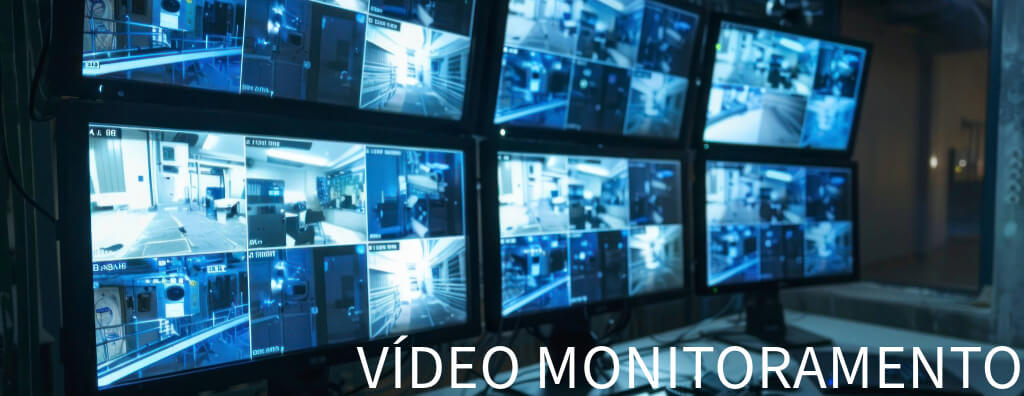
In this article, we will discuss the crucial role that video monitoring plays in electronic security and how it integrates with other protection solutions.
Check it out!
In this article, we will discuss the crucial role that video monitoring plays in electronic security, analyzing how this system integrates with other security solutions and examining the benefits and technological advances that make it a central element in modern strategies for protecting people and assets.
[elementor-template id=”24446″]
The Concept of Video Monitoring
Video monitoring, commonly associated with CCTV (Closed-Circuit Television) systems, involves the use of cameras to capture, transmit, and store images in real time or for later viewing. It is widely used in commercial, industrial, residential, and public environments, functioning as a preventive and reactive tool to enhance security and improve situational awareness across different types of operations.
These systems can be configured in a simple way, with one or just a few cameras, or they can become complex solutions that integrate hundreds of devices with advanced capabilities such as video analytics, facial recognition, and broader monitoring workflows that support larger security projects.
Preventive Function of Video Monitoring
One of the main functions of video monitoring is its preventive role. The presence of cameras in strategic areas can discourage criminal acts such as theft, intrusion, and vandalism, since offenders know their actions are being recorded. In addition, visible cameras communicate that the site is protected by a security system, which can reduce the risk of unwanted events.
In public areas such as squares, highways, and stadiums, video monitoring helps maintain order by making it easier to identify suspicious behavior, follow ongoing occurrences, and prevent crimes before they even occur.
Practical example: Cameras installed in a retail store can inhibit theft and vandalism, providing a safer environment for both customers and employees.
Monitoring and Immediate Response Function
Beyond prevention, video monitoring plays a vital role in real-time event monitoring and in the immediate response to incidents. Security operators can view cameras from a monitoring center and react quickly when a suspicious or dangerous situation is detected, activating the necessary measures, such as dispatching guards to the site or triggering alarms according to the response plan established for the location.
Today, with the integration of video analytics and automated systems, cameras can automatically alert operators when anomalous behavior is detected, such as a person inside a restricted area or an object left in a public place.
Practical example: A video monitoring system in a bank can detect the presence of individuals in restricted areas outside business hours and alert the security team immediately.
Investigative and Audit Function
Another essential function of video monitoring is to serve as an audit and investigation tool after an incident has occurred. Recorded footage can be analyzed to verify what happened at a given moment, identify people involved in crimes, accidents, or unplanned events, and assist authorities and internal teams in their investigations.
These recordings are highly valuable in legal proceedings because they provide concrete visual evidence that can be used in court. In addition, video history is useful for companies to carry out internal audits and verify whether operations are being performed according to established protocols and internal procedures.
Practical example: In the event of theft within a company, CCTV recordings can be reviewed to identify the person responsible and provide evidence to law enforcement authorities.
Integration with Other Security Solutions
Video monitoring is even more effective when integrated with other security solutions, such as access control systems, intrusion alarms, and fire detection systems. This integration creates a more cohesive and efficient security system in which all components communicate and act in a coordinated way.
For example, if an intrusion alarm is triggered, the video monitoring cameras in that area can be activated automatically, starting the recording and allowing the operator to view the incident in real time. Likewise, if an individual attempts to enter a restricted area using an access card, the video feed can be displayed automatically at the monitoring center for validation and operational confirmation.
Practical example: In a corporate building, the access control system can integrate with CCTV so that all access attempts, whether allowed or denied, are recorded, giving the security team a clear view of what happens at each entry point.
Benefits of Digital Technology in Video Monitoring
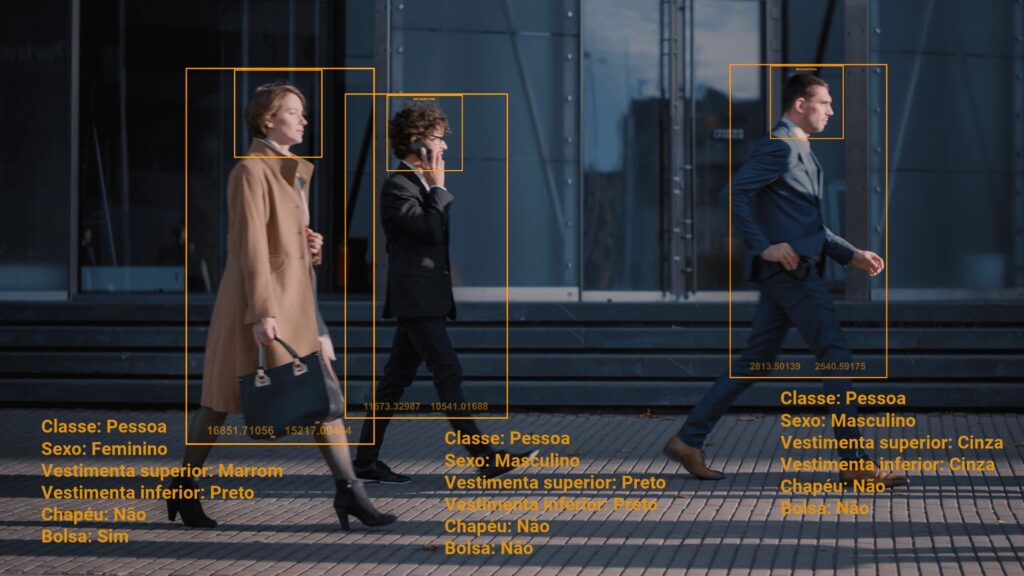
Digital video monitoring systems, such as those based on IP cameras, offer a series of advantages compared with analog systems. They provide greater flexibility, scalability, and image quality, while also supporting advanced functions that expand operational efficiency and strengthen day-to-day monitoring routines, such as:
Remote access: With digital systems, images can be accessed remotely on mobile devices, allowing monitoring even outside the security control room.
Video analytics: Automatic event detection capability, such as movement in restricted areas or objects left behind.
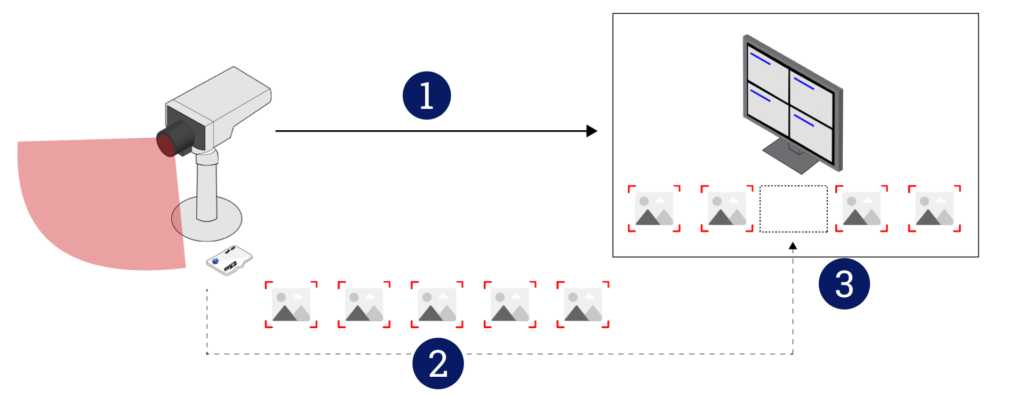
Edge storage: Cameras can store images locally, increasing redundancy and preventing data loss in the event of a network failure.
Video Wall: Centralized Monitoring
One of the most efficient tools for optimizing the use of video monitoring systems in large security operations is the video wall. A video wall is made up of a matrix of high-resolution display panels arranged to create a broad visualization surface, allowing multiple cameras to be monitored simultaneously in a clear and organized way.
Video wall systems are common in control rooms of large companies, government agencies, and urban monitoring centers, where there is a need to visualize a large volume of visual data in real time and on a continuous basis.
The use of video walls, combined with IP camera systems, allows security operators to have a global view of an extensive site, making it easier to quickly identify suspicious events and coordinate response priorities more effectively.
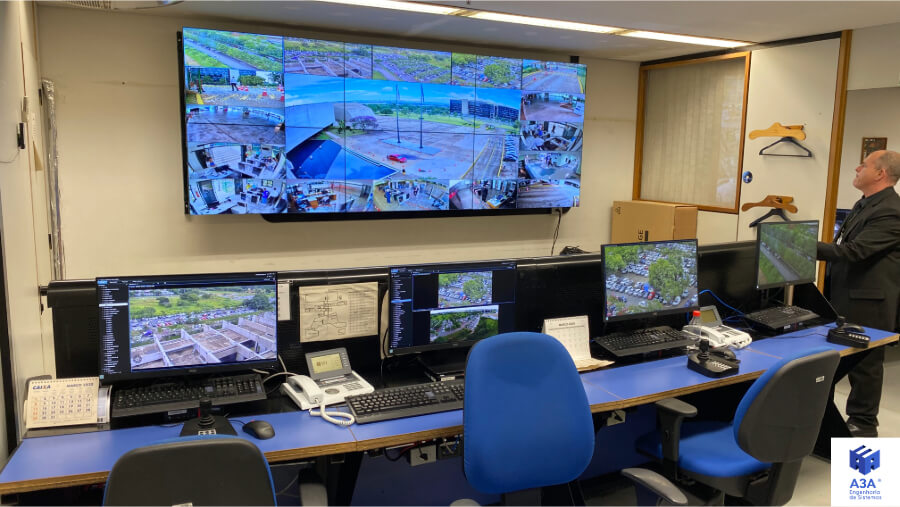
Collection: A3A Engenharia de Sistemas
Benefits of the Video Wall:
- High-Efficiency Monitoring: With the ability to display several camera feeds simultaneously, the video wall increases operator efficiency, allowing multiple areas to be monitored without switching screens or windows and ensuring that no critical area is left without surveillance.
- Better Resolution and Detail: The quality of video wall displays, usually high resolution, allows detailed viewing of images and makes it easier to identify critical events such as suspicious movement or incidents in large areas.
- Customized Viewing: Video walls allow the display to be customized, with images organized according to security priorities. In emergency situations, certain cameras can be highlighted while others are minimized, allowing focus on the highest-risk areas.
- Integration with Advanced Analytics: Video wall systems are often integrated with video analytics solutions, allowing automated alerts to be highlighted the moment an incident is detected. This helps operators react quickly without relying exclusively on manual surveillance.
Applications of the Video Wall:
- Urban Monitoring: In large cities, the video wall is used in urban monitoring centers to track traffic, public safety, and real-time events, enabling a broad view of multiple regions simultaneously.
- Large Enterprises: In industrial facilities, shopping malls, and large corporate buildings, video walls are used to ensure that all sensitive areas are monitored without interruption.
- Sporting Events and Concerts: In stadiums and large events, video walls help monitor crowd safety by identifying movement in critical areas such as entrances and exits.
The video wall, therefore, is not merely a visualization tool but a strategic element that enhances surveillance capability, increasing operational efficiency and responsiveness in large security operations.
Conclusion
Video monitoring is an essential tool within any electronic security strategy. It acts preventively, helping to deter offenders, facilitates the detection of and immediate response to incidents, and provides valuable visual records for audits and investigations. With advances in digital technology, such as IP systems, video analytics, and advanced solutions like video walls, the role of video monitoring becomes even more important, making electronic security more effective and integrated than ever.
