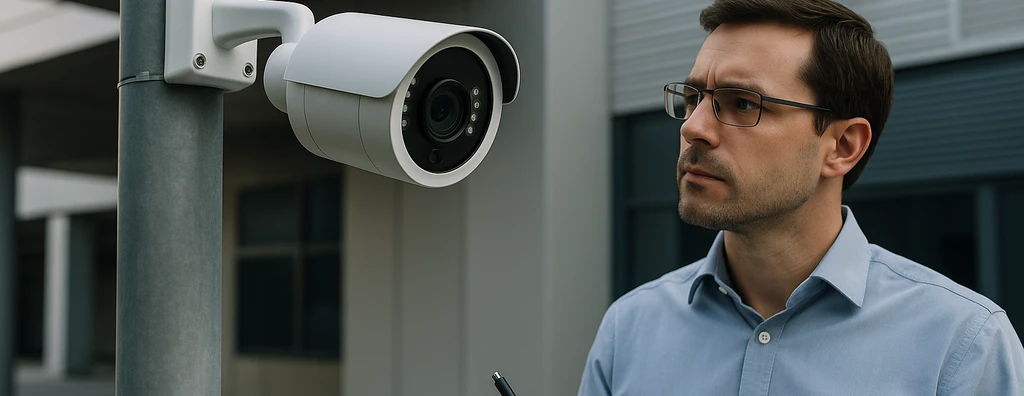
Image capture constitutes the central element of video surveillance systems, directly impacting the efficiency of identification, recognition, and response in protected environments. With the consolidation of electronic surveillance as a priority instrument in critical infrastructures, normative and technical requirements regarding camera selection and specification are increasing. Challenges such as adverse environments, resolution demands, vandalism protection, […]
Check it out!
Image capture constitutes the central element of video surveillance systems, directly impacting the efficiency of identification, recognition, and response in protected environments. With the consolidation of electronic surveillance as a priority instrument in critical infrastructures, normative and technical requirements regarding camera selection and specification are increasing. Challenges such as adverse environments, resolution demands, vandalism protection, and compliance with specific project requirements highlight the need for a methodological technical approach to such a choice.
In this article, the main technical criteria for choosing image capture cameras in video surveillance systems are presented, addressing normative parameters, factors that impact quality, physical protection requirements, and fundamental functional aspects for compliance and performance. The objective is to guide, in a robust and systematic manner, the technical decision-making in electronic security engineering projects.
Check it out!
[elementor-template id=”24446″]
Normative Requirements for Image Capture Devices
In video surveillance systems aimed at security applications, camera selection is guided by minimum requirements established by recognized technical standards, such as ABNT NBR IEC 62676 and ABNT NBR IEC 60529. These standards determine not only performance criteria, but also functional, environmental, and resistance requirements against physical attacks or weather conditions, being especially stringent for security grade 3 and 4 systems.
The following established requirements stand out:
- Camera installation out of easy reach, using tamper-proof mounting;
- Vandalism protection, covering:
- Minimum IP protection rating of 44, according to ABNT NBR IEC 60529;
- Impact resistance testing (hammer) based on ABNT NBR IEC 60068-2-75 and IK 07 rating (ABNT NBR IEC 62262);
Such prerogatives ensure that the image capture device maintains functionality, integrity, and availability against risks of manipulation, sabotage, or aggressive environments.
Technical Criteria for Image Capture
The image capture stage must produce records with precision and detail appropriate to the project objectives, as operationally defined. The parameters to be prioritized are:
- Image Resolution: Resolution must be sized according to facial identification, license plate, or object recognition requirements, based on tests aligned with ISO 12233 for measuring the camera’s maximum detail reproduction capability.
- Frames Per Second (FPS): The frame rate must enable smooth presentation, recording, and analysis without compromising visual integrity in dynamic scenarios — details defined in the image quality requirements of ABNT NBR IEC 62676-4.
- Color Depth: Essential for faithful scene representation, aiding in distinguishing details under different lighting conditions.
- Latency Time: Critical in real-time monitoring environments, it must be designed to minimize perceptible delays between image capture and display.
In addition to the parameters above, attention is recommended to the image formation chain (sensor, lenses, codecs), seeking integrity and consistency from capture to manipulation and storage.
Image Quality Assessment: References and Testing
To ensure that cameras meet project expectations, image quality must be evaluated through standardized testing. The use of procedures aligned with ISO 12233 stands out, being fundamental for measuring maximum resolution under controlled conditions. It is important to consider that laboratory results may differ from those obtained in the field, which is why on-site verification, according to IEC 62676-4 guidelines, becomes indispensable.
Additionally, attention should be paid to the camera’s suitability for specific installation conditions, such as ambient lighting, backlight incidence, scene dynamic range (wide dynamic range), infrared light sensitivity, and noise compensation or optical distortion capability.
Physical Protection, Installation, and Resilience
Physical installation is a critical factor in the integrity and performance of the capture system. For security grades 3 and 4, devices, supports, and optical/lens assemblies that inhibit violations and direct attacks are mandatory. The main criteria include:
- Mounting according to manufacturer recommendations, using rigid supports and fastening methods that make unauthorized repositioning difficult;
- Minimum IP44 protection in indoor environments exposed to dust and splashes, with increases according to environmental aggressiveness;
- Adoption of IK 07 rating for physical impact resistance, according to normative testing;
- Diagnosis and monitoring of tampering events and adverse environmental conditions.
Physical protection measures complement the electronic design, enhancing operational resilience in indoor and outdoor environments, as well as contributing to maintaining image quality throughout the equipment lifecycle.
Functional and Operational Aspects of Cameras
Beyond normative and physical aspects, camera selection requires analysis of embedded functionalities relevant to the system’s purpose, including:
- Compatibility with transmission infrastructure: Technical evaluation of network interfaces, signal types, simultaneous streaming capacity, and adherence to security and synchronization protocols defined for the system.
- Operational adjustments: Features such as autofocus, remote zoom adjustment, luminosity compensation systems, iris control, and embedded video analytics contribute decisively to monitoring quality and operational flexibility.
- Interoperability: Verification of adherence to open standards, facilitating integration with different VMS and related security systems, promoting scalability and future evolution of the architecture.
Design Parameters and Integration with Overall VSS Quality
The camera specification decision must be technically aligned with the operational scenario and specific monitoring objectives. An integrated process of risk analysis, critical area survey, image objective definition, and system parameterization is recommended, considering:
- Determination of coverage areas and angles, minimizing blind spots and maximizing image utility for forensic operations and real-time monitoring;
- Selection of lens type and adjustment capabilities that enable identification at different distances and resolutions;
- Evaluation and simulation of visual performance in extreme scenarios (low light, environmental variability);
- Validation of camera compatibility with recording, display, and analysis systems, ensuring minimum latency and quality established by the project;
The integration of these parameters ensures that image capture is an effective performance vector throughout the entire VSS ecosystem.
The proper selection of cameras for image capture in video surveillance systems requires a multidimensional approach, encompassing normative requirements, image quality criteria, physical protection, technical functionalities, and full integration with the VSS operational context. The standards establish objective parameters that must be rigorously respected, ensuring performance compatible with security, identification, and resilience requirements. For each environment and identified risk, the adoption of cameras that combine robustness, adjustment capability, and systemic compliance is recommended, integrating the specification process with risk analysis and final monitoring requirements. Adherence to technical and normative best practices ensures durable, efficient solutions capable of evolving in response to the dynamics of threats and operational needs throughout the project lifecycle.