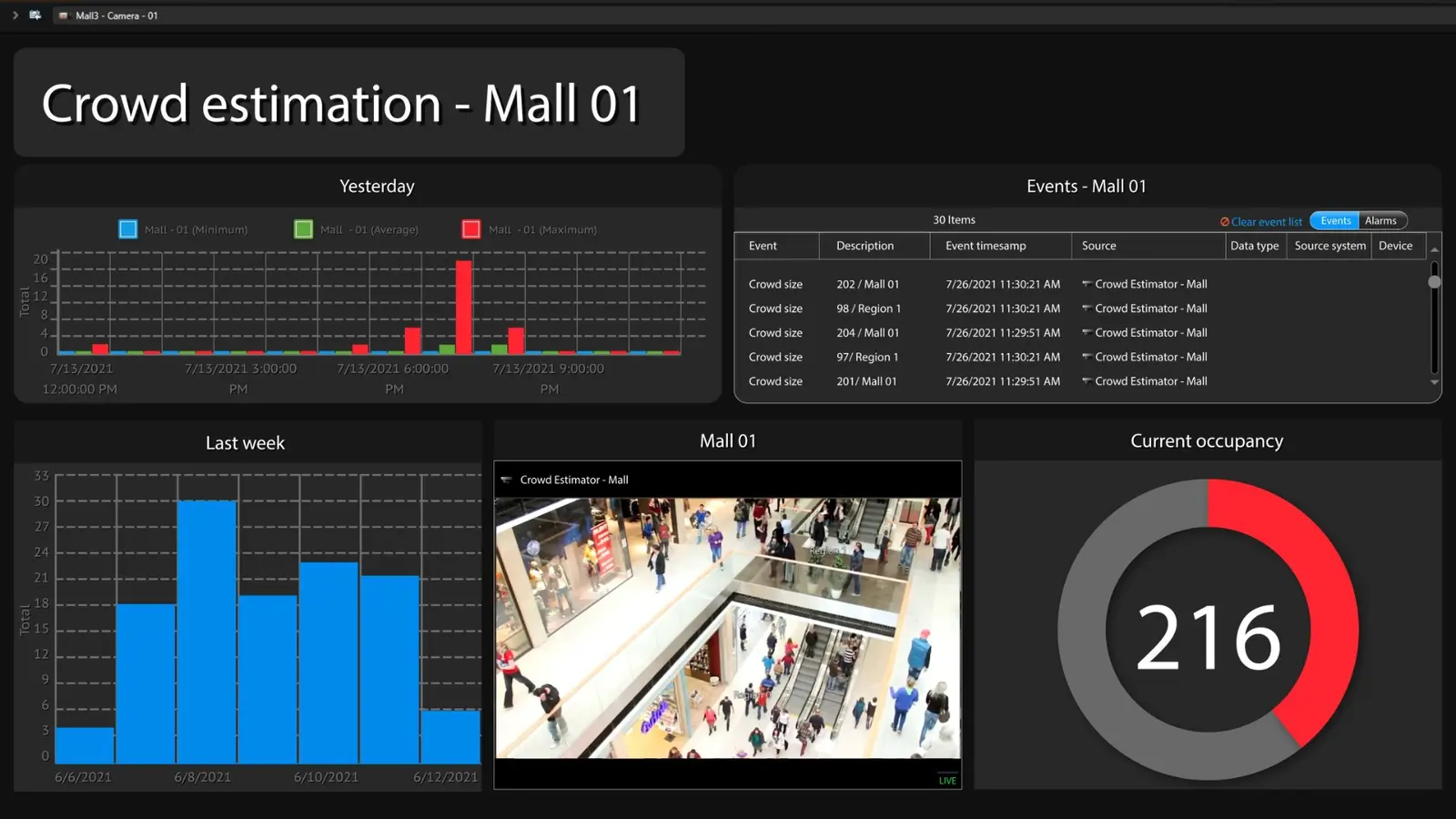
The Business Intelligence (BI) solution includes the design and implementation of an architecture for consolidation, processing, and structured visualization of corporate data, supporting decision-making processes based on qualified information.
The architecture is structured to integrate multiple data sources, including operational, financial, technical, and strategic data, transforming dispersed records into consolidated indicators, executive dashboards, and comparative analyses.
A3A Engenharia de Sistemas develops each solution based on mapping of organizational processes, definition of key performance indicators (KPIs), and data modeling, ensuring information consistency, source traceability, and technical governance of the implemented structure.
SCOPE OF WORK
Within the scope of Business Intelligence, A3A Engenharia de Sistemas can operate in the following areas:
Planning and Architecture
- Survey of existing data sources
- Mapping of processes and information flows
- Definition of strategic and operational indicators
- Structuring of data models such as data warehouse or data marts
- Planning of governance and information access control
- Definition of update and consolidation periodicity
Implementation and Integration
- Integration of corporate databases
- Structuring of extraction, transformation, and loading processes (ETL)
- Modeling of analytical cubes
- Development of executive and operational dashboards
- Configuration of automated reports
- Integration with ERP, CRM, SCADA, or industrial platforms
Validation and Governance
- Verification of data consistency and integrity
- Validation of indicators with responsible areas
- Implementation of audit trails
- Consolidation of technical architecture documentation
Evolution and Optimization
- Inclusion of new data sources
- Adjustment of indicators according to organizational strategy
- Expansion to predictive analytics
- Integration with artificial intelligence tools
APPLICATIONS AND ENVIRONMENTS
The solution applies to:
- Corporate environments
- Industrial organizations
- Critical infrastructures
- Control and operation centers
- Organizations with multiple units
- Structures requiring consolidation of technical and management data
The architecture is sized to ensure structured support for decision-making, reduction of information asymmetry, and strengthening of corporate governance.