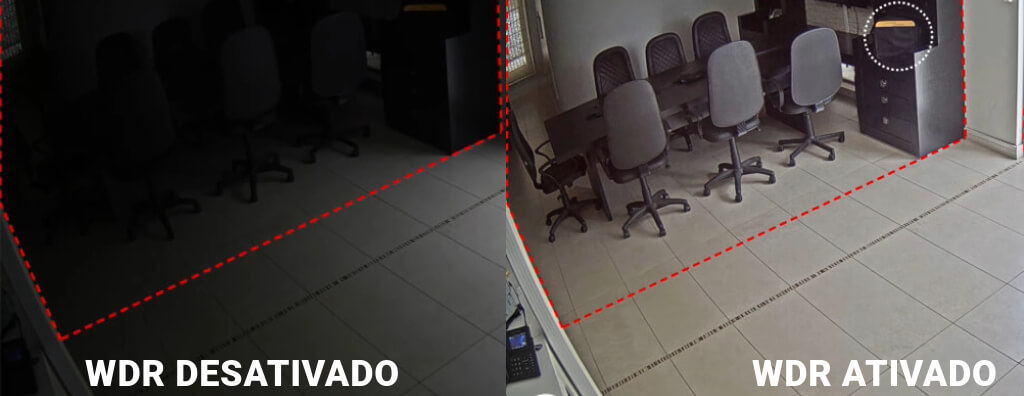
What is WDR? Wide Dynamic Range (WDR) is a technology used in CCTV cameras that allows for image capture with a wider range of lighting levels, balancing scenes with very bright and very dark areas simultaneously.
Check it out!
What is WDR?
Wide Dynamic Range (WDR) is a technology used in CCTV cameras that allows for image capture with a wider range of lighting levels, balancing scenes with very bright and very dark areas simultaneously.
Importance of WDR in High-Performance CCTV Projects:
In CCTV projects, the quality of the captured image is one of the primary goals to ensure system efficiency. However, capturing clear images in environments with lighting challenges—such as areas with high contrast between light and shadow—is more complex than it seems.
In this article, we will discuss WDR, its applications in CCTV systems, and the importance of this technology in high-performance monitoring projects that require video analytics and Forensic Search.
We will look at how leading manufacturers integrate WDR into their cameras and discuss its relevance for video analysis and forensic investigations.
[elementor-template id=”24446″]
How does WDR work?
WDR works by capturing multiple exposures of the same scene at different lighting levels. The camera takes a short exposure shot to capture details in bright areas and a long exposure shot to record details in dark areas. The system then combines these images into a single balanced scene.
This process—implemented via hardware or software—is essential for the final image to provide clarity and detail across all areas, even in scenarios with extreme light variations.
Types of WDR
There are different approaches to implementing WDR:
- Digital WDR (DWDR): This is the simplest method, performed by software. DWDR adjusts image brightness after capture but offers limited performance compared to True WDR, as it doesn’t use multiple exposures. It is more economical and common in lower-cost cameras, though the results are far less impactful.
- True WDR: Also known as hardware WDR, this method uses advanced sensors and multiple exposures to capture the scene at different light levels. The result is a much more faithful and balanced image, ideal for challenging lighting environments.
Technical Benefits of WDR
- Detail Capture in Shadows and Intense Light: WDR makes details visible in areas that would otherwise be dark or saturated.
- Reflection Reduction: In scenes with reflective surfaces, WDR minimizes “blown-out” light effects, ensuring greater clarity.
- Balanced Images: Even in environments with irregular lighting, WDR ensures the final image has uniform exposure, facilitating video analysis.
3. Problems Solved by WDR
WDR was developed to resolve issues related to uneven lighting in scenes captured by security cameras. In CCTV environments, it is common for cameras to be installed in challenging light conditions, such as building entrances, parking lots, storefront windows, or areas with large windows.
In these situations, the difference between very bright and dark areas can result in poor image quality, compromising the identification of people and objects.
Key Problems Solved by WDR:
- Extreme Contrast:
- Cameras at building entrances often deal with strong sunlight outside and a darker interior. Without WDR, the camera might overexpose the outside, “blowing out” the light, and underexpose the interior, making it nearly invisible.
- WDR corrects this by balancing contrast, allowing both areas to be visible simultaneously, preserving details in both regions.
- Reflection and Intense Glare Reduction:
- In scenarios like storefronts or reflective surfaces, strong glare can cause distortions. WDR reduces these reflections, preventing “blown-out” light and ensuring scene details remain visible.
- Improved Visibility in Shadowed Areas:
- Parking lots or outdoor areas with shadows often see extreme light changes. WDR prevents these areas from becoming too dark by accurately capturing shadow detail without compromising the bright part of the scene.
- Efficiency in Intense Artificial Lighting:
- Locations with strong artificial lights, like warehouses or industrial floors, benefit from WDR as it balances different light levels, preventing internal light sources from negatively affecting visibility.
Practical Examples
- Commercial Building Entrances: Without WDR, an entrance camera might capture people entering, but with faces obscured by sunlight or shadows. WDR adjusts this exposure, ensuring clear identification in both light and shadow.
- Outdoor Areas with Direct Sunlight: In parking lots, a non-WDR camera might underexpose vehicles in shadows while overexposing areas in direct light. WDR balances the light to capture crucial details regardless of the sun’s position.
4. WDR Applications in CCTV Projects
WDR technology plays a critical role in high-performance CCTV projects, compensating for lighting changes to ensure sharp, detailed images regardless of the scenario.
4.1. Outdoor Environments
In areas like parking lots, toll plazas, and industrial complexes, light conditions change drastically. WDR balances severe backlight—where the background is extremely bright (e.g., sun) and the foreground is shadowed—ensuring both remain visible.
4.2. Indoor Environments with Artificial Light
Malls, airports, and stations benefit from WDR as it minimizes ceiling light reflections on floors or windows, allowing for more uniform images.
4.3. Building Entrances and Exits
Critical zones for security where cameras face high contrast between daylight and weaker indoor light. WDR ensures clear capture of people entering or exiting.

5. Technology References (Axis Cameras with WDR)
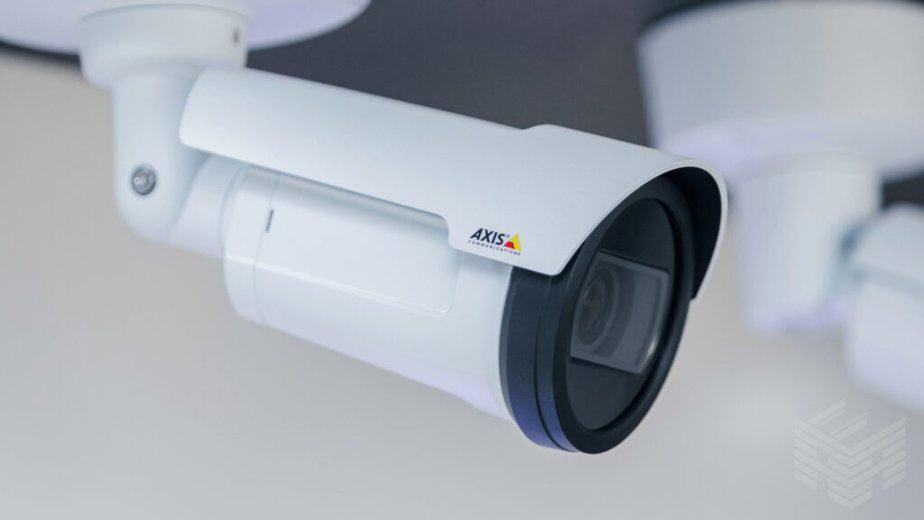
Axis Communications is widely recognized for innovation, offering high-performance cameras equipped with specialized WDR technologies to face lighting challenges.
Axis Forensic WDR
Axis Forensic WDR processes multiple exposures to capture balanced images in environments with high lighting differences. This is often complemented by Axis Lightfinder for low-light excellence.
A3A ENGENHARIA DE SISTEMAS ARCHIVE
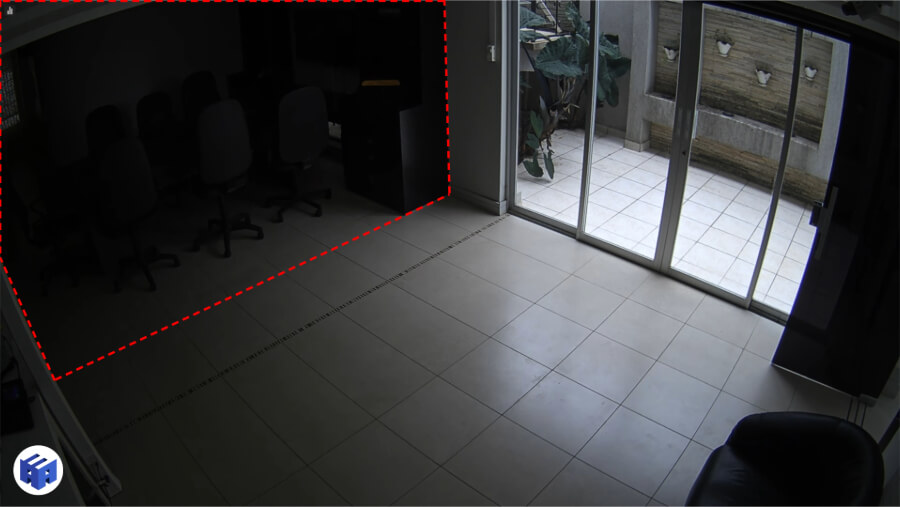
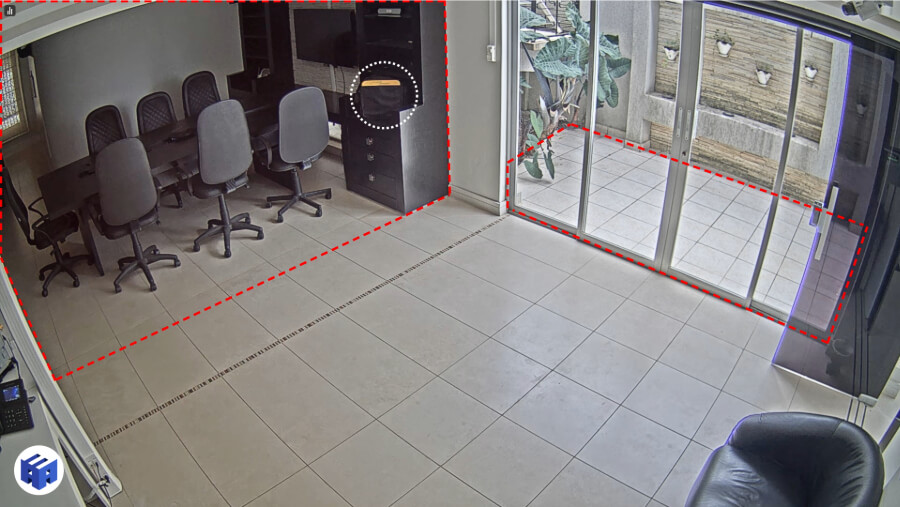
Proof of Concept: Testing Axis P14 Series WDR
Scene 1 — WDR Off: Dark image with loss of detail in shadows.
Scene 3 — WDR On: Balanced image with clear details in both bright and dark areas.
Conclusion
WDR technology is essential for high-performance CCTV projects requiring maximum precision. By balancing extreme light variations, it ensures critical visual information is preserved. At A3A Engenharia, we provide full POC (Proof of Concept) in our Show Room to demonstrate these results in real scenarios.