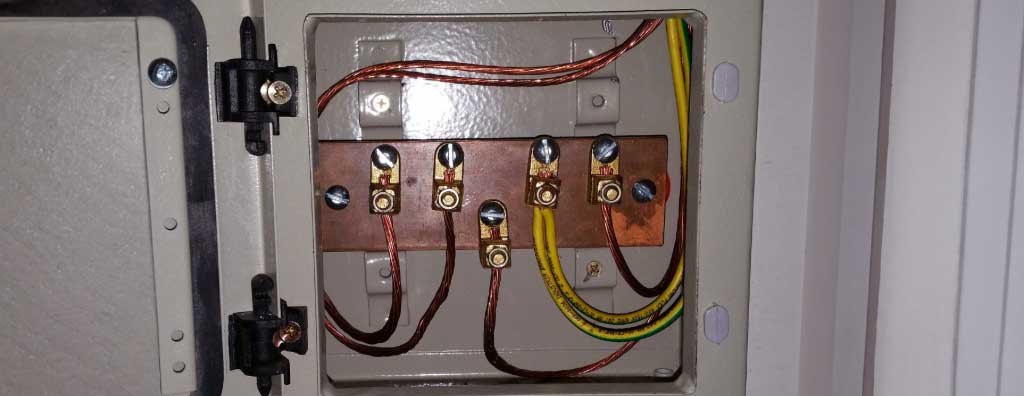
Equipotential bonding or potential equalization is an essential procedure in electrical and telecommunications systems.
Check it out!
What Is Equipotential Bonding or Potential Equalization?
Equipotential bonding or potential equalization is an essential procedure in electrical and telecommunications systems according to the NBR 5410 Standard. Its purpose is to ensure that all exposed and conductive metallic parts of an installation remain at the same electrical potential. By eliminating potential differences, this practice contributes to people’s safety and to protecting sensitive electronic equipment against voltage surges and electromagnetic interference.
EMC SPECIALIST NOTE: Equipotential bonding is the first step against electromagnetic interference (EMI). Our projects are supervised by Eng. Altair Galvao, a specialist in LPS and Surge Protection Projects. He ensures data integrity in critical systems such as cabling and data centers.
In this article, we will explore the concepts of potential equalization or equipotential bonding, its importance in electrical and communications installations, and how these procedures are applied in LPS (Lightning Protection System), SPD (Surge Protective Devices), and structured cabling systems.
[elementor-template id=”24446″]
The Importance of Equipotential Bonding in Electrical Installations
Equipotential bonding is fundamental to the safety of any electrical installation because it:
Reduces Electromagnetic Interference: Potential equalization also plays an important role in mitigating electromagnetic interference (EMI), which can impair data transmission in structured cabling networks. By ensuring that all components share the same potential, interference is minimized, resulting in a more stable operation.
Prevents Electric Shock: A difference in potential between metallic components can cause dangerous electric shocks. By carrying out potential equalization, this risk is minimized, ensuring the safety of people who come into contact with the installation’s metallic structures.
Protects Sensitive Equipment: In installations that use sensitive electronic equipment, such as data centers, automation systems, and communication networks, equipotential bonding reduces the possibility that potential differences will damage equipment, preserving the integrity of critical systems.
Equipotential bonding is an essential procedure in electrical and telecommunications systems according to the NBR 5410 Standard. Its main function is to ensure that all exposed and conductive metallic parts of an installation remain at the same electrical potential.
Eng. Altair Galvao Specialist in LPS, Surges, and EMC Projects | A3A Engenharia de Sistemas
Practical Applications of Equipotential Bonding
Equipotential bonding must be carried out in several contexts, from conventional electrical installations to more complex environments, such as industrial plants and commercial buildings. Here are some of its main applications:
1. Electrical Installations
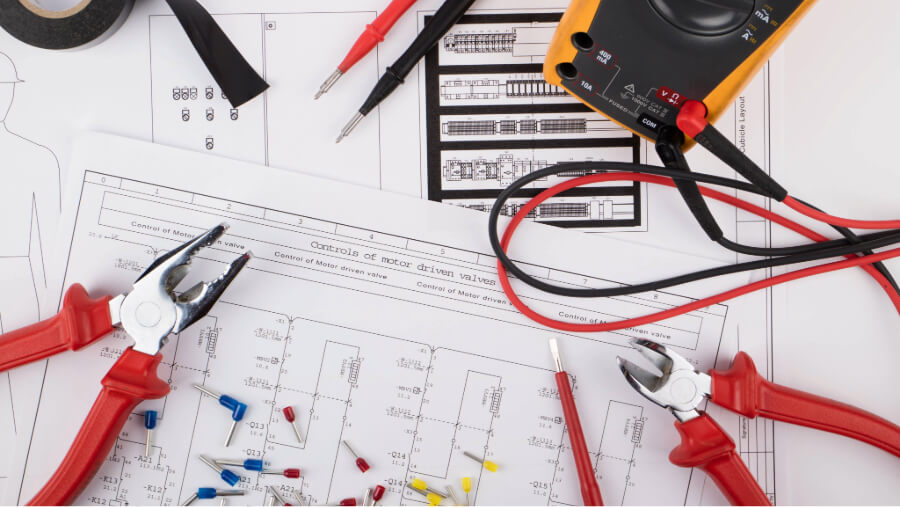
Potential equalization or equipotential bonding is essential in electrical installations to ensure that all metallic parts, such as machine enclosures and metallic structures, are connected to the grounding system. This prevents voltage surges or short-circuit currents from causing damage or safety risks to people.
2. Network Infrastructure and Structured Cabling
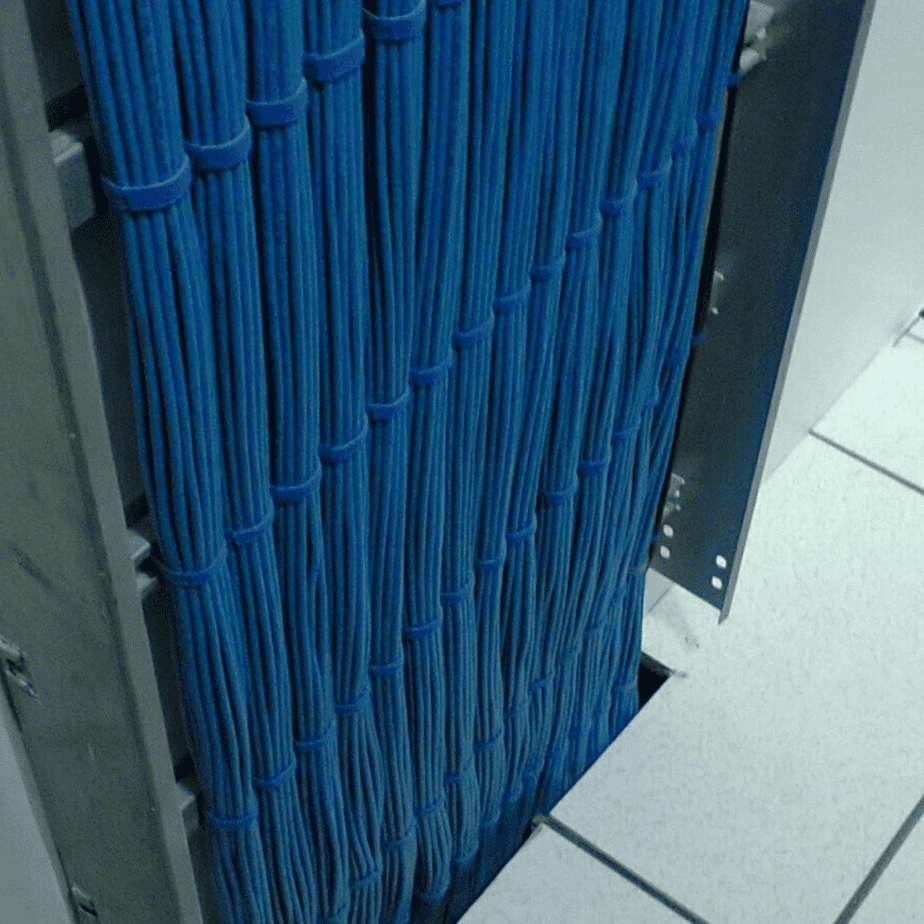
Collection: A3A Engenharia de Sistemas
In structured cabling systems, potential equalization is applied to avoid induced currents in network cables, which can lead to data loss caused by electromagnetic interference. By equipotentially bonding cables and cable trays, the data transmission system becomes more stable and reliable.
3. LPS (Lightning Protection System)
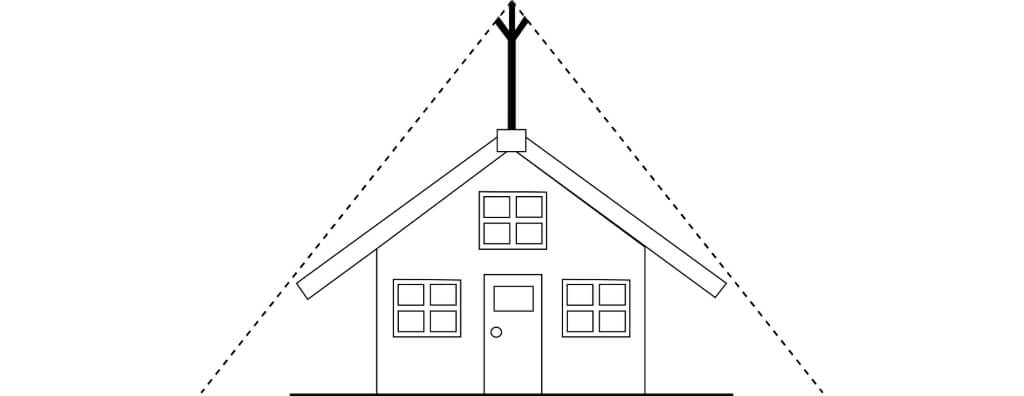
Potential equalization is a necessary and mandatory procedure in an LPS installation. During a lightning event, high-intensity currents may be induced in the building’s metallic structures. Equipotential bonding ensures that these currents are quickly directed to the grounding system, protecting equipment and building occupants.
4. SPD (Surge Protective Devices)
Collection: MTM Eletro Eletronica
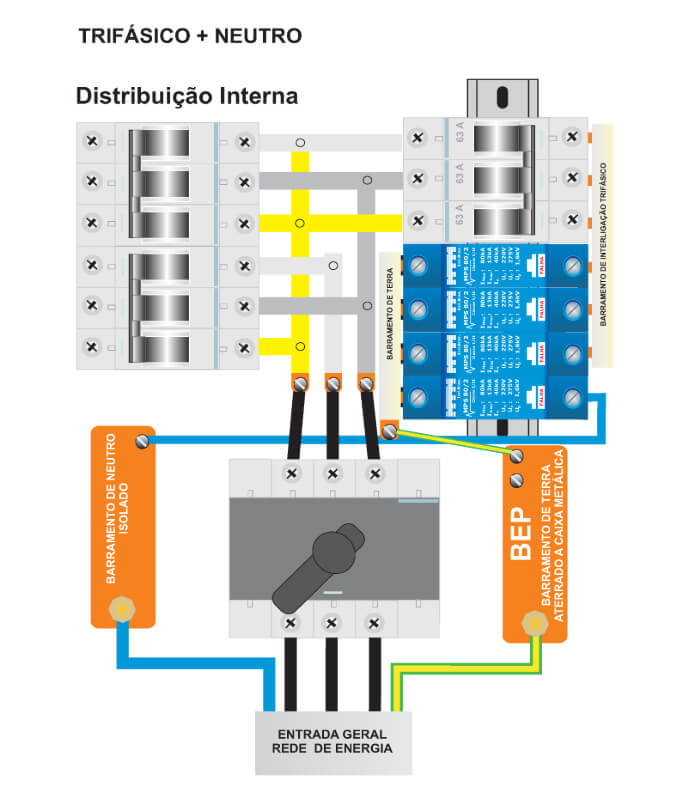
Equipotential bonding is fundamental to ensure the proper performance of SPDs by ensuring that overvoltages are dissipated efficiently. With correct and well-executed equipotential bonding, unwanted currents are discharged quickly to ground, preventing surges from propagating through the electrical network and damaging equipment.
How to Perform Potential Equalization?
- Connect All Metallic Parts to Grounding: All exposed metallic parts, such as equipment enclosures, support structures, and piping, must be interconnected to the grounding system to ensure they share the same electrical potential.
- Use Proper Conductors: The conductors used for equipotential bonding must be correctly sized to withstand possible induced currents. Conductors with an insufficient cross-sectional area may be unable to dissipate surge currents properly, compromising protection.
- Regular Maintenance: Potential equalization must be maintained over time, and the connections must be inspected regularly to prevent corrosion or failures that could compromise the system’s effectiveness.
- Integration with LPS and SPD: Equipotential bonding must be integrated into the LPS design and the use of SPDs. This ensures that both lightning discharges and voltage surges are dissipated safely and efficiently.
Integration Between Potential Equalization and Other Systems
Potential equalization in isolation will not bring results; this procedure needs to be aligned with the other systems.
It should be viewed as part of a set of integrated systems that ensure the safety and performance of the installations:
- LPS and Potential Equalization: The LPS protects the physical structure against lightning discharges, while equipotential bonding protects the internal systems and prevents induced currents from spreading through the installation.
- SPD and Potential Equalization: The SPD diverts overvoltages to grounding, and potential equalization ensures that these currents are dissipated uniformly, avoiding damage to equipment.
- Structured Cabling and Potential Equalization: By applying equipotential bonding in structured cabling systems, it is possible to minimize electromagnetic interference and improve the reliability of communication networks.
Legal Requirement: Equipotential Bonding According to NR-10
Although NBR 5410 establishes the technical requirements for equipotential bonding, NR-10 (Safety in Electrical Installations and Services) defines it as a mandatory collective protection measure to eliminate electric shock risks. For companies, this connection is a critical audit point.
Auditors and labor inspectors verify whether the Electrical Installations File (PIE) contains an up-to-date report that guarantees the correct interconnection of the protection systems. The absence of proper equipotential bonding, even if subtle, can invalidate the PIE and result in fines or operational shutdowns.
A3A Engenharia de Sistemas offers auditing services to ensure that your equipotential bonding is not only present in the project, but also functioning properly in the field, in compliance with NR-10 legal requirements.
Potential equalization or equipotential bonding is an indispensable practice to guarantee the safety, integrity, and efficiency of electrical and communications systems. When carried out correctly, it protects both people and equipment against electric shock, voltage surges, and electromagnetic interference.
Integrated Protection: Do Not Put Your Company’s Assets at Risk
Equipotential bonding is the foundation for the longevity of your systems. It is the link that unites the LPS, the SPD, and structured cabling in a protective barrier. If there is a failure in any of these links, your entire infrastructure is vulnerable.
Rely on the expertise of nearly 30 years from A3A Engenharia de Sistemas to audit your network and ensure compliance with NBR 5410 and 5419. Avoid losses and operational downtime.
Normative References:
NBR 5410 – Low-Voltage Electrical Installations
NBR 5419 – Protection of Structures Against Atmospheric Discharges
NBR 14565 – Structured Cabling for Commercial Buildings
See other related articles:
Electromagnetic Compatibility (EMC) in Structured Cabling Projects: Challenges and Solutions
Lightning Protection System – LPS Project
Shielded Network Cable – Industrial Networks
Surge Protection Devices (SPDs) – Electrical protection against overvoltage surges
Lightning Protection System – LPS
Frequently Asked Questions
What is the equipotential bonding process?
The equipotential bonding process consists of interconnecting conductors and metallic elements of an electrical installation so that all of them remain at the same electrical potential. This reduces voltage differences and increases protection against electric shock.
What is equipotential bonding according to NR 10?
NR 10 defines equipotential bonding as a collective protection measure aimed at eliminating electric shock risks by connecting exposed conductive parts to a main equipotential bonding conductor. This practice is mandatory in electrical installations.
What does equipotentiality mean?
Equipotentiality is the condition in which different points of an electrical installation present the same electrical potential. This prevents unwanted contact currents and provides greater safety for people.
What is the principle of equipotentiality?
The principle of equipotentiality establishes that, by connecting conductors and metallic parts to the same bar or equipotential bonding conductor, the potential difference between them is eliminated, reducing the risk of electric shock under normal or fault conditions.
What are the types of insulation according to NR 10?
NR 10 classifies insulation into three categories:
- Basic insulation: minimum protection against electric shock.
- Supplementary insulation: used together with basic insulation for greater protection.
- Reinforced insulation: a single insulation that guarantees protection equivalent to the sum of basic + supplementary insulation.
What is the difference between grounding and equipotential bonding?
- Grounding: connection of conductive parts to earth, ensuring the dissipation of fault currents.
- Equipotential bonding: interconnection of metallic elements and conductors to equalize electrical potentials.
👉 In practice, both systems are complementary and increase protection against electric shock.
