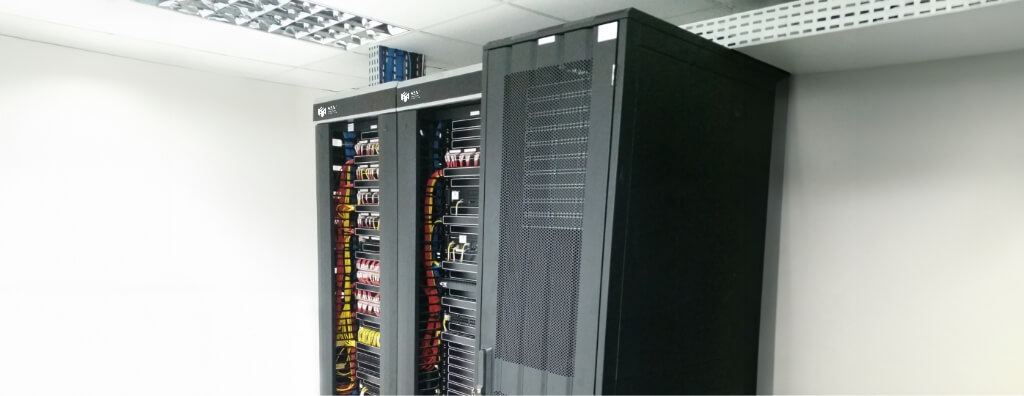
A Data Processing Center or Data Center, as it is known today, is an environment designed to house and manage an organization’s information technology (IT) systems. It is a centralized location where servers, storage devices, network equipment, cooling systems, redundant power supplies, and various essential components are concentrated to ensure the availability and performance of […]
Check it out!
A Data Processing Center or Data Center, as it is known today, is an environment designed to house and manage an organization’s information technology (IT) systems. It is a centralized location where servers, storage devices, network equipment, cooling systems, redundant power supplies, and various essential components are concentrated to ensure the availability and performance of digital services.
A Data Center’s infrastructure is carefully designed to provide continuous, secure, and efficient operation, and is fundamental to meeting the ever-growing demands of modern businesses.
In this article, we will explore the planning and construction of a Data Center, highlighting its relevance to modern businesses. We will address the importance of scalability and modularity, the classification by redundancy tiers, the different types of Data Centers, and the construction process. In addition, we will discuss continuous operation with a focus on security, energy efficiency, and backup plans.
Read on!
[elementor-template id=”24446″]
The Importance of Data Centers for Companies and Digital Businesses

With the advance of digital transformation, more and more companies and organizations depend on IT resources to operate efficiently and provide quality services to their clients. Data Centers play a fundamental role in this context, offering several benefits:
Data Storage: Data Centers enable the secure and centralized storage of important data, such as customer information, transaction records, media files, and much more. This storage capacity is essential for the operation of digital businesses that generate and consume large volumes of data.
Availability: For companies that need to be available 24 hours a day, 7 days a week — such as online services, financial institutions, and e-commerce platforms — Data Centers ensure continuous operation and high service availability. Redundant infrastructure and security measures ensure that systems remain operational even in the event of failures.
Security: Data Centers are built with multiple layers of physical and logical security to protect IT assets against threats such as intrusions, theft, fires, and natural disasters. This is especially important for companies handling confidential and sensitive information.
- Performance: With high-quality infrastructure, including powerful servers and high-speed networks, Data Centers ensure adequate performance for applications and systems. This allows companies to deliver fast, responsive services to their clients.
Scalability: Growing companies can easily scale their IT infrastructure in a Data Center, adding more resources as their needs increase. The flexibility and scalability of Data Centers allow companies to adapt quickly to changing market demands.
Connectivity: Well-located Data Centers have direct connections with telecommunications carriers, ensuring low latency and high-speed communications. This is crucial for companies that depend on fast, reliable connections to meet user needs.
By adopting a Data Center, companies can rely on a reliable, secure infrastructure to support their digital operations, ensuring that services are delivered efficiently and with high availability. This ability to deliver quality services is essential for competitiveness and success in today’s market.
Infrastructure and Operation
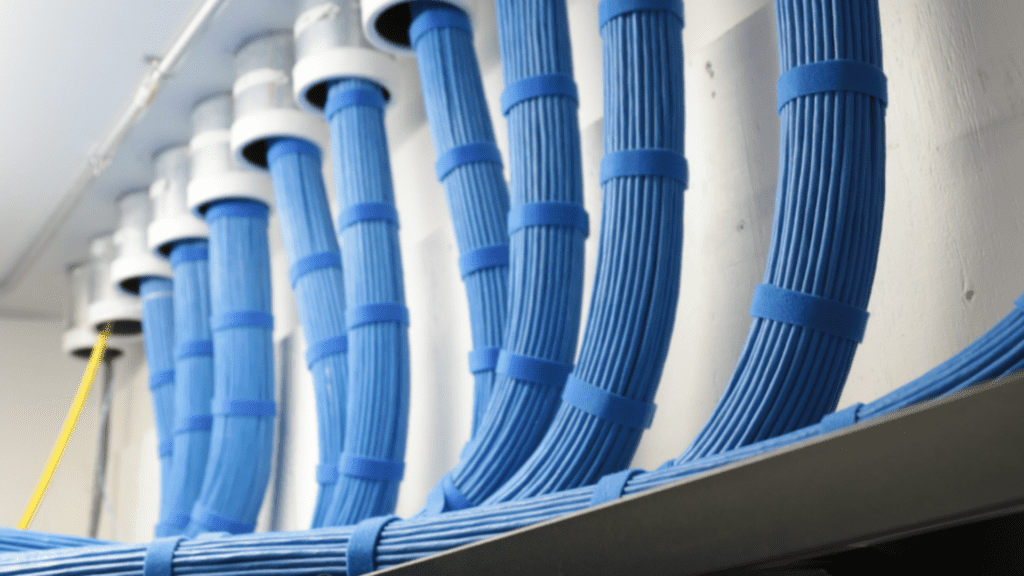
A modern Data Center is a highly complex environment that requires a robust, reliable infrastructure to ensure the efficient and secure processing of enormous amounts of data.
In a Data Center, structured cabling is fundamental to ensuring performance, availability, and security in critical environments. The installation must be certified and comply with international standards to support high transmission rates, minimize latency, and reduce downtime risks.
For copper links, at minimum Category 6A (Cat6A) is recommended, which already supports applications up to 10Gbps. In high-density projects or new installations, Category 8 (Cat8) may be adopted for switch-to-switch connections, supporting up to 25/40Gbps over short distances. For backbone and long-distance links, best practice is to use fiber optic OM3, OM4, or OM5, ensuring scalability and performance for future generations of Data Centers.
Certification of all network points is indispensable to ensure performance, eliminate hidden failures, and protect the infrastructure investment.
Below, we detail the main components that make up the operation of a Data Center and its technical infrastructure:
Servers
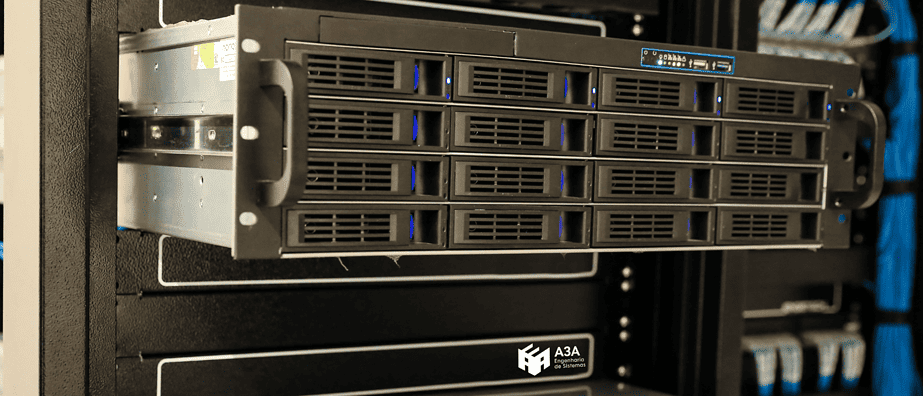
Servers play a fundamental role as essential components in the Data Center environment. They are hardware devices specifically designed to perform various tasks, such as storing, processing, and distributing data and applications to users and clients. Their configuration can vary significantly to meet the specific demands of processing, memory, storage, and graphical power required for operations.
In their storage function, servers are responsible for housing large amounts of data and files required for the execution of an organization’s operations. They can be equipped with high-performance storage units, such as hard disk drives (HDDs) or solid-state drives (SSDs), enabling fast access and retrieval of information.
Processing is another critical task performed by servers. They are designed with powerful central processing units (CPUs) that execute complex tasks and calculations required to process and analyze data, run applications, and provide fast responses to user requests.
In addition, the amount of RAM in a server plays a crucial role in the overall performance of the Data Center. With a sufficient amount of RAM, the server can temporarily store the most frequently accessed data and instructions, speeding up the processing cycle and ensuring faster responses to users.
Another important factor is the graphical capability of servers, especially in scenarios involving graphics processing and visually demanding applications. For these cases, servers can be equipped with high-performance graphics cards, providing superior graphics quality and rendering capability.
The diversity of requirements across different use scenarios makes the ability to customize servers essential. This way, Data Center administrators can choose and configure servers according to the specific needs of each application and environment, optimizing the Data Center’s overall performance.
Electrical System
A Data Center’s electrical system is designed with a highly redundant and resilient approach to ensure continuous availability of electrical power. Due to the critical nature of operations carried out in this environment, any interruption in the power supply can result in significant damage to stored services and data.
Power redundancy is achieved through the implementation of multiple power sources and backup systems.
Some of the main strategies used are:
Diversified Energy Sources
The Data Center is connected to multiple energy sources, such as the public grid, locally generated power from diesel generators, and even renewable energy sources such as solar panels or fuel cells. Diversifying energy sources minimizes the risk of a total outage due to problems with a single source.
Battery Systems
To handle momentary power interruptions, Data Centers are equipped with high-capacity battery systems. These batteries act as short-duration power sources and come into operation immediately when there is an interruption in the main power supply. This backup power is sufficient to keep the Data Center running until the emergency generators come online.
Emergency Generators
Diesel generators or other types of emergency generators are a fundamental part of power redundancy in a Data Center. When a prolonged failure of the public grid power supply or batteries occurs, generators are automatically activated to provide continuous electricity to the Data Center. These generators are designed to operate for long periods and are fueled with enough fuel to keep the Data Center running during extended power grid failure events.
Automatic Transfer Systems
To ensure a smooth transition between different energy sources, Data Centers are equipped with Automatic Transfer Systems (ATS). The ATS monitors the quality of public grid power and, in the event of an interruption, automatically switches to backup power sources, such as batteries and generators.
Tests & Maintenance
To ensure that all redundant power systems are functioning correctly, regular tests of generators, batteries, and automatic transfer systems are performed. Preventive maintenance is also conducted to ensure that equipment is always in ideal operating condition.
Precision Climate Control System
The precision climate control system in a Data Center is a critical element for ensuring the safe and efficient operation of IT equipment. Due to the high density of servers and other electronic components, these environments generate a significant amount of heat during their operations. Adequate temperature and humidity control is fundamental to preventing equipment damage and ensuring optimal performance.
Precision climate control systems are designed to provide a controlled environment with minimal variations in temperature and humidity. They work in conjunction with the Data Center’s cooling system to efficiently and reliably dissipate the heat generated by IT equipment.
Several techniques and technologies are used in precision climate control systems:
Precision Cooling Units (CRAC)
CRAC units are responsible for regulating the temperature and humidity of the Data Center environment. They use advanced sensors and algorithms to constantly monitor air conditions and adjust cooling as needed. In this way, they ensure that the temperature remains within safe limits for equipment operation.
Airflow Control
Precision climate control systems are designed to provide a directed and uniform airflow, ensuring that all areas of the Data Center receive an adequate distribution of cooled air. This prevents overheating in specific areas and helps maintain temperature uniformly throughout the environment.
Adiabatic Cooling
Some climate control solutions use adiabatic cooling to reduce air temperature without relying exclusively on mechanical refrigeration systems. This method uses water evaporation to cool the air, providing a more energy-efficient and sustainable option.
Humidity Control
In addition to temperature, ambient humidity is also monitored and controlled to maintain an adequate level for equipment. Humidity control prevents issues such as condensation and corrosion of electronic components, contributing to the preservation and service life of the equipment.
Intelligent Management
Precision climate control systems can be integrated with centralized management systems, enabling remote monitoring and control of environmental conditions. This allows for quick and precise adjustments in response to changes in Data Center demands and assists in energy efficiency planning.
Telecommunications Networks and Structured Cabling
The interconnection of all components in a Data Center is accomplished through a complex and well-designed network infrastructure. This network infrastructure consists of high-speed telecommunications networks and uses the concept of Structured Cabling to ensure rapid and efficient data transfer between the various devices, servers, and storage systems present in the Data Center environment.
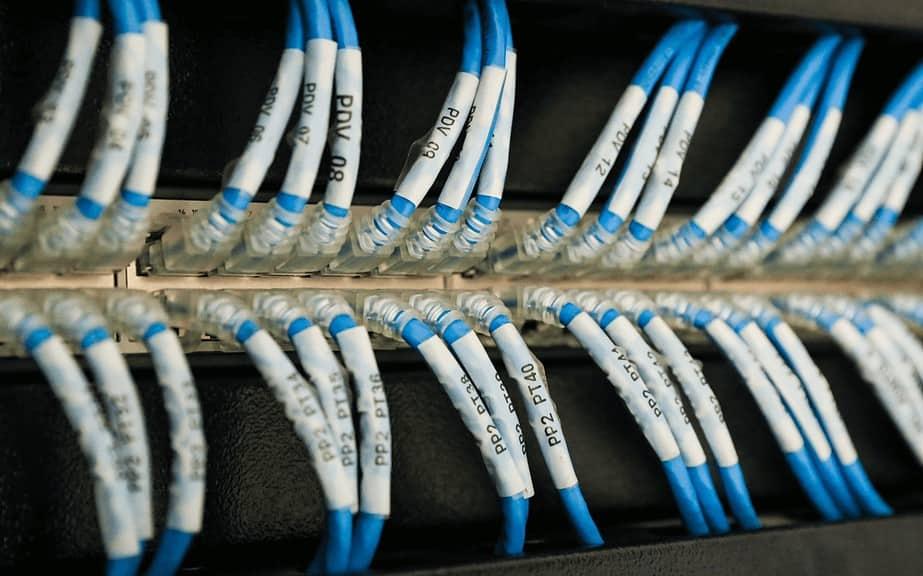
Archive: A3A Systems Engineering
Fire Detection and Prevention System
The fire detection and suppression system in a Data Center is a critical concern due to the possibility of catastrophic damage that a fire can cause to equipment and data. This system is designed with extreme precision and efficiency, using advanced technologies to ensure environmental safety.
The Data Center is equipped with smoke and heat detection sensors strategically positioned throughout the space. These sensors are highly sensitive and are capable of detecting any signs of smoke or temperature increase, even in their initial stages. Early detection is essential for a rapid and effective response to the incident.
In the event of fire detection, suppression systems are activated automatically or manually, depending on the situation. These systems use fire extinguishing agents that are released into the affected environment to interrupt and extinguish the fire. The extinguishing agents may be inert gases, such as argon gas or carbon dioxide, or chemical agents, such as Novec 1230 or FM-200. These agents act quickly to suppress the fire without causing additional damage to equipment or the environment.
Additionally, the Data Center is designed with containment compartments — fire-resistant partitions that help contain the fire in a specific area. This prevents the fire from spreading rapidly throughout the environment, protecting other parts of the Data Center and allowing safe evacuation of occupants if necessary.
The fire detection and suppression system is integrated with a centralized management system that continuously monitors the status of sensors and suppression systems. This allows the Data Center team to immediately respond to any sign of fire and take appropriate measures to contain the emergency.
The Data Center team receives regular training in evacuation procedures, use of firefighting equipment, and emergency response procedures. Detailed emergency plans are established to ensure a rapid and coordinated response in the event of fire or another emergency.
Remote Management and Physical Security System
The Remote Management and Physical Security System in a Data Center consists of technologies and procedures essential to ensuring continuous monitoring and adequate protection of the environment.
Remote Management allows administrators to remotely monitor and control Data Center devices and equipment from a centralized location. Using a unified interface, administrators can check equipment status, receive problem alerts, and perform configurations and updates without needing to be physically present at the Data Center facility. This provides greater operational efficiency and agility in resolving technical issues.
In addition, Remote Management may also include automation and orchestration capabilities, enabling scheduled execution of routine or complex tasks, which optimizes system performance and maintenance.
Physical Security, on the other hand, is a paramount concern for protecting the Data Center against external threats and ensuring controlled, authorized access to the environment. Several measures are implemented, such as:
Access Control: Use of advanced access control systems, such as identification cards, electronic keys, or biometric authentication, to allow access only to authorized personnel and restrict access to specific areas of the Data Center.
Camera Surveillance: Strategically positioned surveillance cameras constantly monitor the facilities to identify suspicious activities and provide visual records in the event of incidents.
Intrusion Detection: Motion sensors and intrusion detection systems are used to alert on any unauthorized access attempt to the Data Center.
Environmental Control: In addition to physical security against unauthorized access, measures are also adopted to prevent damage caused by accidental events, such as water leak sensors.
Perimeter Security: Protection of the Data Center’s perimeter through fences, controlled gates, and other physical barriers to prevent unauthorized access.
Physical security is complemented by regular audits and continuous monitoring of security measures to ensure that policies are followed and updated as necessary.
Data Center Planning and Construction
Data Center planning is a critical step in ensuring that the environment is designed and implemented efficiently, meeting the organization’s technical and strategic demands:
Requirements Gathering
Requirements gathering is a fundamental step in Data Center planning. In this process, a detailed analysis of the company’s needs and the specific objectives of the IT infrastructure environment is carried out. To this end, it is essential to involve stakeholders, such as the IT team, business managers, and information security specialists, to identify the necessary parameters.
During requirements gathering, it is important to clearly understand the company’s demands, such as processing capacity, storage requirements, future sizing, and security standards. In addition, workload analysis is essential to assess the applications and services that will run in the Data Center, identifying resource demands and traffic levels.
Scalability is another critical factor to be considered in planning. It is important to design the Data Center so that it can be easily expanded as the company’s growth needs evolve, avoiding excessive investments in premature upgrades.
Security and compliance are also important aspects to be evaluated during requirements gathering. It is necessary to identify and meet information security requirements, including regulatory standards and internal policies, ensuring the physical protection of IT assets and disaster recovery plans.
In addition, energy efficiency and sustainability must be taken into account during Data Center planning, seeking to reduce operational costs and environmental impact.
Finally, the choice of an appropriate location is also relevant, considering available telecommunications infrastructure, environmental risks, physical security, and proximity to major users and business centers.
Capacity Planning
Capacity planning is a critical step in Data Center planning, where infrastructure specialists use the previously gathered information to precisely and strategically size the capacity required to meet current and future demands. In this technical phase, detailed methodologies and calculations are applied to ensure efficient and reliable Data Center operation.
The main technical aspects involved in capacity planning include:
Workload Analysis: Specialists perform a thorough analysis of the expected workload in the Data Center, assessing resource demands — such as processing capacity, storage, and memory — to identify peak demands and usage patterns over time.
Growth Projection: In addition to current needs, it is essential to project the company’s future growth and planned expansions to adequately size the Data Center. This allows investments to be planned strategically and avoids waste of resources.
Resource Sizing: Based on the workload analysis and growth projections, the necessary resources are sized — such as servers, storage devices, cooling systems, electrical systems, and other essential components — to meet the projected demands.
Contingency and Resilience: Capacity planning also considers contingency and resilience scenarios to handle failures and unexpected demand spikes. This involves implementing redundancy and scalability strategies to ensure operational continuity.
Operational Efficiency: Seeking operational efficiency is an important objective in capacity planning, aiming to optimize resource utilization and minimize operational costs without compromising Data Center performance and availability.
Continuous Monitoring: The implementation of continuous monitoring systems is planned to track resource performance and identify potential issues in advance. This allows for corrective actions and adjustments as needed.
Flexibility and Scalability: Capacity planning aims to ensure that the Data Center is designed with flexibility and scalability to allow gradual expansion of resources as the company’s demand grows.
Redundancy Tier Classification
Redundancy tier classification (Tiers) is a widely adopted methodology for assessing the availability and reliability of Data Centers. This classification is based on the Uptime Institute’s Tier Standard, which defines four main levels: Tier I, Tier II, Tier III, and Tier IV. Each level is assigned based on the redundancy of critical systems and the ability to avoid unplanned interruptions.
Tier I: Tier I is the basic level of redundancy. At this level, the Data Center has only one power distribution and cooling path, with no redundant components. This means that any maintenance or failure in one of the critical systems can cause temporary service interruptions, as there are no backups in operation. The typical availability of a Tier I Data Center is approximately 99.671%, or about 28.8 hours of downtime per year.
Tier II: In Tier II, some improvements are added over Tier I, such as redundant systems for critical components. However, planned interruptions for maintenance and upgrades may still occur, which can result in limited downtime. The typical availability of a Tier II Data Center is approximately 99.741%, or about 22 hours of downtime per year.
Tier III: Tier III is known as the concurrently maintainable level. At this level, the Data Center has fully redundant systems for all critical infrastructure, including power sources, cooling systems, and communication networks. Planned operations and maintenance can be performed without interrupting services, resulting in minimal downtime. The typical availability of a Tier III Data Center is approximately 99.982%, or about 1.6 hours of downtime per year.
Tier IV: Tier IV is the highest level of redundancy and fault tolerance. At this level, the Data Center has fully redundant and parallel systems for all critical infrastructure, ensuring high availability even in the event of simultaneous failures. It is the most complex and costly level to implement, but provides the maximum protection against unplanned interruptions. The typical availability of a Tier IV Data Center is approximately 99.995%, or about 0.8 hours of downtime per year.
Selection of Construction Systems
The selection of construction systems is a crucial step in Data Center planning and construction, as it directly impacts the efficiency, scalability, and flexibility of the environment. Different construction approaches exist, each with its advantages and challenges, and the decision must be based on the organization’s specific needs and project objectives.
Traditional System: In this approach, the Data Center is custom-built, from the design phase through implementation. Each component is planned and built according to the organization’s specific needs, enabling precise adaptation to operational demands. This offers greater control over the design, but construction time may be longer and initial costs tend to be higher, due to the customized nature of the project.
Modular System: In this model, Data Centers are built using prefabricated modules that are manufactured in a factory and then transported and integrated on-site. Each module is an independent unit containing the essential components, such as servers, cooling systems, and power, and is designed to be interoperable and easily scalable. This approach offers advantages in terms of reduced construction time, more controlled costs, and greater ease of expansion.
Container System: This approach is even more modular, where Data Centers are installed in isolated containers designed to be easily transportable. Each container is a self-contained unit and can house servers, cooling systems, power, and connectivity. Container-based Data Centers are especially suitable for temporary or mobile environments, such as emergency needs, events, or research settings. They offer rapid deployment, ease of movement and reuse, but may have limitations in terms of capacity and customization.
Data Center Types
When analyzing and selecting the most suitable type of Data Center for a company, it is essential to consider several technical and operational factors. Each type of Data Center presents distinct characteristics that can directly influence the performance, security, and scalability of IT infrastructure. Here is a deeper technical analysis of the main Data Center types:
Private Physical Data Center: This approach involves the construction and maintenance of a Data Center exclusively for the company. It offers total control over the infrastructure, allowing precise adaptation to the organization’s specific needs. However, it requires significant capital investment, physical space, equipment, and specialized human resources for ongoing management and maintenance.
Cloud Data Center: Cloud Data Centers provide IT infrastructure services remotely, allowing the company to rent resources on demand. This provides high flexibility, scalability, and agility, with the ability to adjust resources in real time. In addition, it reduces the need for initial investments in physical infrastructure and offers greater resilience, as data is replicated across multiple servers and geographic locations.
Edge Data Center: Edge Data Centers are decentralized locations situated close to end users or data sources. This approach is suitable for scenarios requiring low latency, such as streaming services, Internet of Things (IoT), and time-sensitive applications. Edge Data Centers enable the processing and storage of data closer to the point of origin, reducing dependence on data transfers over the network.
Colocation Data Center: In this model, multiple companies share the same physical Data Center space while keeping their IT infrastructures separate and independent. The colocation provider supplies the basic infrastructure — such as space, power, cooling, and physical security — while companies maintain their own servers and equipment. This approach offers cost efficiency and access to high-quality infrastructure without the need to invest in a proprietary Data Center.
Hyperscale Data Center: Designed for large technology companies, hyperscale Data Centers offer enormous data processing and storage capacity. Characterized by a highly scalable infrastructure with thousands of servers and resources at a massive scale, these Data Centers are common in companies offering large-scale services, such as social networks, streaming platforms, and cloud service providers.
Hybrid Data Center: The hybrid approach combines different types of Data Centers, such as a combination of proprietary physical infrastructure and cloud services. This option offers flexibility and allows the company to leverage the best of each environment, strategically allocating its workloads. Hybrid Data Centers are especially useful for companies with varied requirements, which can optimize costs and performance by using multiple platforms.
The decision between Data Center types must consider aspects such as security requirements, regulatory compliance, initial investments, scalability, performance demands, user geolocation, and the characteristics of the services offered. Each option has its benefits and challenges, and the choice will depend on the company’s unique needs and the adopted IT strategy. A thorough understanding of each approach is fundamental to ensuring a solid, efficient IT infrastructure aligned with business goals.
Certification and Compliance
After construction is complete, Data Center certification is an important and necessary step to ensure that all industry standards and norms have been met. Certification involves detailed audits and technical assessments carried out by independent specialists or recognized certification organizations. These assessments cover various aspects of the Data Center’s infrastructure, ensuring that it is in compliance with the essential requirements to guarantee the quality, security, and reliability of the environment.
The main points verified during the certification process include:
Availability and Redundancy: Verification of the presence of redundant systems for power, cooling, connectivity, and other critical components, ensuring high availability and operational continuity of the Data Center even in the event of failures.
Physical and Logical Security: Assessment of security measures implemented to protect the infrastructure against physical and cyber threats, including access control, camera monitoring systems, intrusion detection and prevention, among others.
Energy Efficiency: Verification of practices and technologies implemented to optimize energy consumption and minimize the Data Center’s environmental impact, ensuring sustainable operation.
Compliance with Technical Standards: Verification of adherence to industry standards and regulations, such as TIA-942, ANSI/BICSI 002, ISO/IEC 27001, among others, which establish guidelines for the design, construction, and operation of Data Centers.
Data Center Operation and Management
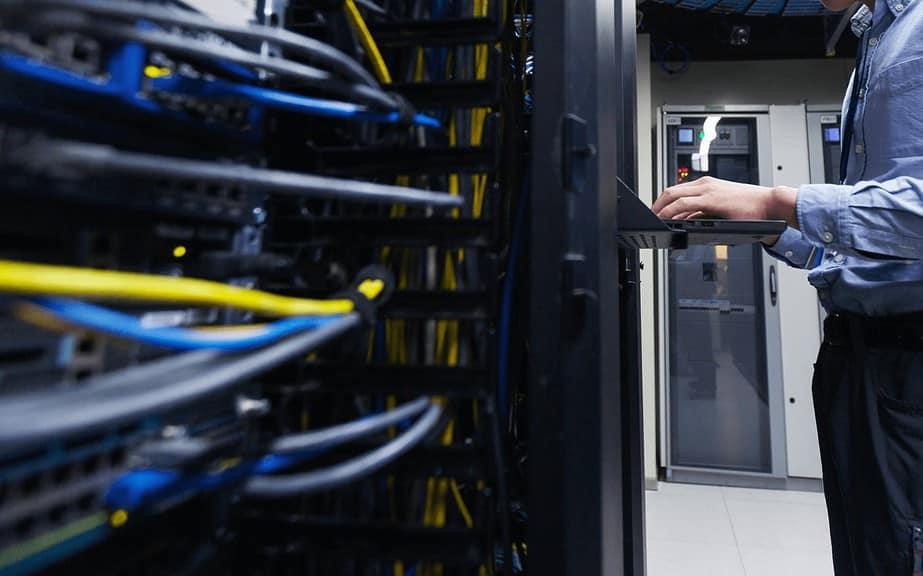
After the completion of construction and certification of the Data Center, the phase of continuous operation and management begins. At this stage, it is essential to ensure the efficient and secure operation of the Data Center.
Daily operations are carried out by specialized teams that constantly monitor all systems, such as servers, cooling, power, and security. This monitoring is essential to identify and quickly respond to problems or failures that may arise.
Preventive maintenance is an essential practice to prevent future problems and reduce interruptions. This includes regular inspections, cleaning, replacement of worn components, and application of software updates.
Capacity management is crucial for handling growing demands. Energy efficiency strategies are adopted to optimize energy consumption and reduce environmental impact.
Security is an absolute priority in the Data Center. Access control, surveillance, and fire protection measures are implemented to ensure the physical security of the environment. In addition, digital security measures, such as firewalls, intrusion detection, and encryption, are implemented to protect data stored in the Data Center against unauthorized access.
Backup and disaster recovery plans are essential to protect data in critical situations, ensuring service continuity in the event of failures or disasters.
Regular audits are conducted to ensure Data Center compliance with industry standards and norms, such as ISO 27001. These audits ensure the ongoing quality and security of the Data Center.
Conclusion
It is clear that the Data Center is the fundamental pillar for sustaining the technological infrastructure of a modern company. Its importance goes far beyond simply storing and processing data; it is the pulsing heart that enables the connectivity, agility, and reliability needed to meet the challenges of the digital age.
Investing in an efficient and secure Data Center is a strategic step to drive business growth and ensure operational continuity in a highly competitive landscape. Furthermore, the adoption of innovative technologies and the pursuit of specialized partners are essential to keep pace with growing demands and constant market transformations.
At A3A Systems Engineering, we understand the critical importance of a Data Center for today’s digital businesses. Our solutions are designed to optimize performance, scalability, and availability, allowing your company to focus on its strategic objectives and achieve success in the constantly evolving digital world.
If you are looking to build a new Data Center or improve your existing IT infrastructure, count on us to deliver high-quality services and exceptional results. Our mission is to drive your business growth and success through innovative, efficient Data Center solutions.
Frequently Asked Questions
CPD (Data Processing Center) is a term traditionally used to refer to dedicated environments for data processing, storage, and management within a company or organization. It generally refers to smaller technical rooms located internally within the client’s premises, meeting the specific demands of that environment.
Data Center is a broader and more modern concept, referring to large-scale facilities specifically designed to host servers, network equipment, data storage, and critical systems. Data Centers feature redundant infrastructure, climate control systems, power, physical security, 24/7 monitoring, and generally serve multiple clients (colocation, cloud, hosting), potentially operating at regional or global scales.
Cat6A is sufficient for most applications up to 10Gbps and long distances within the data center;
Cat8 handles ultra-high-speed scenarios and short distances;
OM3/OM4/OM5 (fiber optic) are essential for backbone, long runs, or high density.
The Structured Cabling System (SCS) is a standardized infrastructure of cables, connectors, racks, cable trays, patch panels, and network equipment that provides the foundation for a telecommunications network to operate in an optimized manner.
A Structured Cabling System operates through the installation of various network components, including cables, network equipment, patch panels, and other devices, following technical standards and norms.
The most common are UTP cable (unshielded twisted pair), STP cable (shielded twisted pair), coaxial cable, and fiber optic cable. Each has different transmission applications and capabilities.
UTP (Unshielded Twisted Pair) has no shielding. It is less expensive and used in environments with low interference levels. STP (Shielded Twisted Pair) has shielding that reduces electromagnetic interference, making it suitable for industrial environments or those with high electromagnetic pollution.
The main standards are ABNT NBR 14565 (Brazil), ISO/IEC 11801 (international), ANSI/TIA-568 (North America), and NBR 16264 for Data Centers. They define installation, performance, and testing rules.
It is the main cabling that connects telecommunications rooms, data centers, or buildings to each other. It typically uses higher-capacity cables, such as fiber optics or higher-category copper cables.
Regulatory References
“NBR 14565 – Structured Cabling for Commercial Buildings” – ABNT (Brazilian Association of Technical Standards)
“ISO/IEC 11801 – Generic Cabling for Customer Premises” – ISO/IEC (International Organization for Standardization) & (International Electrotechnical Commission)
“ANSI/TIA 568 – Generic Telecommunications Cabling for Customer Premises” – ANSI/TIA (American National Standards Institute) & (Telecommunications Industry Association)
“What are the structured cabling services and respective Technical Responsibilities?” – CREA (Regional Council of Engineering and Agronomy)
“Structured Cabling Systems: the Fact File” – CommScope
Relevant Links (Complementary Technical Materials)
Telecommunications Network Design
Structured Cabling Project – Practical Guide
Structured Cabling Technical Standards
Standard NBR 14565 – Structured Cabling
CPD and Data Center: Differences, Requirements, and Evolution of Data Infrastructures
eBook – Why Hire a Structured Cabling Project?
Fiber Optic Cable
Internal Optical Distributor (IOD)
Testing and Performance
Network Certification for Structured Cabling Systems
Structured Cabling Project Consulting
Structured Cabling Installation
How to Avoid Common Problems in Structured Cabling Systems?
Components and Subsystems
Dry Infrastructure / Cable Trays
Main Benefits of Structured Cabling
Network Cabling: CAT5e vs CAT6
Network Cabling: CAT6 vs CAT6A
Topology and Architecture
Network Architecture and Topology – How to Ensure Performance
Network Topology: Types and Applications in Telecommunications Networks
Services
