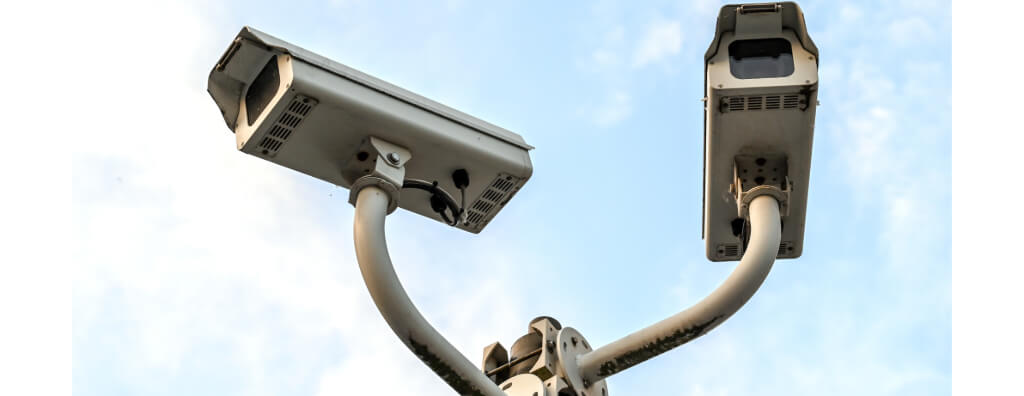
In this article, we examine the impact of 4K-resolution cameras on CFTV systems, highlighting their technical advantages, best applications, and implementation challenges. The adoption of ultra-high-resolution cameras such as 4K has been growing due to the demand for more detailed images, which are essential in a wide range of electronic security applications. The […]
Check it out!
In this article, we will examine the impact of 4K resolution cameras on CFTV systems, highlighting their technical advantages, best applications, and implementation challenges. The adoption of ultra-high-resolution cameras such as 4K has been growing due to the demand for more detailed images, which are essential in a wide range of electronic security applications.
[elementor-template id=”24446″]
What Is 4K Resolution?
4K resolution, also known as Ultra HD (UHD), refers to an image resolution of 3840×2160 pixels. This represents four times the number of pixels of a Full HD camera (1920×1080), resulting in much sharper images in which more detail can be captured, even across large areas. This characteristic is especially valuable in environments that require high-precision surveillance, such as urban centers, stadiums, and industrial facilities.
Technical Advantages of 4K Cameras
Greater Image Detail
The main advantage of 4K cameras is the level of detail they can capture. This high resolution allows operators to identify small features such as faces, vehicle license plates, and objects, even across large areas. This level of detail can make a major difference in critical situations such as criminal investigations or security audits.
- Practical example: In a public area such as a parking lot, a 4K camera can capture sharp details of vehicles and pedestrians, enabling the identification of license plates and even facial characteristics of people at long distances.
Coverage of Large Areas
Another significant advantage of 4K cameras is their ability to cover large areas with a single camera. Because of the high pixel density, a larger space can be monitored without sacrificing detail quality. This is particularly useful in locations where extensive open areas must be monitored, such as stadiums, airports, or large warehouses.
- Practical example: A stadium can use 4K cameras to monitor large seating sections, capturing activities in detail without requiring multiple smaller cameras.
Improved Digital Zoom
With a larger number of pixels, digital zoom on 4K cameras becomes much more effective. When zooming into a high-resolution image, enough information remains to preserve image quality. This allows operators to enlarge specific areas without sacrificing sharpness, which can be extremely useful in live monitoring situations or when reviewing recordings.
- Practical example: During an investigation, the security team can enlarge the face of a suspect captured by a 4K camera without the image becoming pixelated, as would occur with lower-resolution cameras.
Challenges and Considerations for Implementing 4K Cameras
Higher Bandwidth and Storage Usage
One of the main challenges when implementing 4K cameras is the significant amount of network bandwidth and storage space required to handle the large volume of data generated by these cameras. With more pixels, images consume more space and place greater demands on the network infrastructure for real-time video transmission.
- Technical solution: To mitigate this challenge, video compression techniques such as H.265 can be used to reduce data volume without significant loss of quality. In addition, proper network and storage sizing is essential to ensure that the CFTV system operates efficiently.
Need for Adequate Hardware
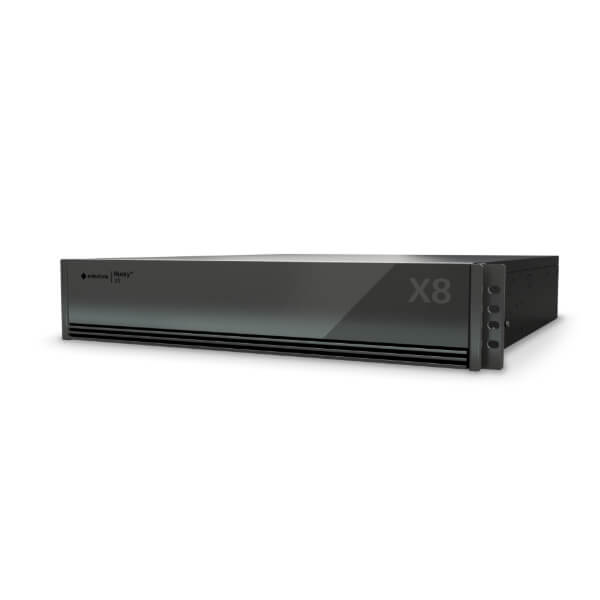
4K cameras require adequate hardware for video processing as well as for viewing and recording images. This means that older systems or systems with limited capacity may not be compatible with the high volume of data generated by these cameras.
- Technical solution: Integrating 4K cameras requires recording servers with sufficient capacity to process and store 4K images. In addition, monitors and video walls used for viewing must also support 4K resolution so that the available level of detail is properly displayed.
Adequate Lighting
Like any high-resolution camera, 4K cameras depend on good lighting to capture high-quality images, especially at night. Outdoor or indoor environments with low light can result in reduced image quality, even with 4K cameras. Therefore, it is essential to ensure that the monitored area has adequate lighting or that the cameras include advanced low light or infrared capabilities to compensate for adverse lighting conditions.
- Technical solution: Some 4K cameras are equipped with infrared technology or advanced sensors capable of operating under low-light conditions while maintaining image quality even at night.
Applications for 4K Cameras in CFTV
Critical Infrastructure Monitoring
In critical infrastructure facilities such as power plants, ports, and large industrial areas, 4K cameras are well suited to monitoring large areas and rapidly identifying anomalies or intrusions. The ability to capture detail across extensive areas helps minimize risk and protect these strategic assets.
Urban Centers and Public Spaces
Smart cities are adopting 4K cameras in public spaces to improve security in urban areas. These systems enable high-precision monitoring of large zones, making it easier to identify incidents and support real-time response by authorities.
Stadium and Event Monitoring
Large events such as concerts and sporting competitions benefit from 4K cameras, which can monitor crowds and capture important details such as suspicious movement or emergency situations. The high resolution enables detailed coverage of all areas, even in large venues.
Conclusion
4K cameras provide a range of benefits for CFTV systems, including greater image detail, the ability to cover large areas, and more effective use of digital zoom. However, their implementation requires particular attention to network infrastructure, storage, and hardware. With the appropriate technology, high-resolution cameras such as 4K models provide a higher level of security and are a sound choice for projects that require high-precision surveillance in large and complex environments. Demand for image quality and detail continues to grow, making 4K cameras increasingly relevant to modern monitoring requirements.
