
Understand how a PMP-certified project manager adds value to engineering and technology projects through planning, compliance, multidisciplinary integration, and predictable delivery.
Check it out!
Telecommunications, property surveillance, and telecare projects involve a series of technical, operational, and regulatory challenges. Companies and institutions seeking excellence in mission-critical infrastructure know that it is not enough to invest in technology or in the best equipment: the success of a project depends on competent management capable of integrating disciplines, aligning expectations, and delivering results within the established schedule, budget, and scope.
In high-performance projects, multidisciplinarity and the need to integrate distinct systems, coordinate suppliers, meet strict technical standards, and ensure full process traceability require the leadership of specialized professionals. In this scenario, the presence of a PMP-certified Project Manager (Project Management Professional) becomes a true strategic differentiator.
Why do some projects still fail to deliver what was promised, suffer delays, increase costs, or present compliance issues? The answer usually lies in the absence of qualified and standardized management capable of anticipating risks, ensuring communication among all involved areas, and making sound decisions throughout the project’s entire life cycle.
This article shows, objectively, how the expertise of a PMP Engineer can transform the final result of infrastructure projects, highlighting the benefits for clients, partners, and all stakeholders.
[elementor-template id=”24446″]
What Is a PMP Project Manager
The PMP (Project Management Professional) is the most recognized international project management certification, granted by the Project Management Institute (PMI). A PMP Project Manager is a professional who has proven experience, knowledge, and mastery of global best practices in planning, execution, monitoring, control, and closing projects of any size and complexity.
Main Competencies of a PMP Manager
- Technical leadership and management of multidisciplinary teams
- Rigorous planning and control of schedule, budget, and quality
- Active management of risks, changes, and communication
- Integration across different project areas: telecommunications, electronic security, electrical, civil, automation, IT, and others
- Adherence to technical standards, contracts, and client requirements
- Focus on results, client satisfaction, and value delivery
The PMP certification is a global benchmark, required in high-value public and private contracts, and frequently used as a differentiating criterion by companies seeking quality, transparency, and predictability in their projects.
Why the Market Values PMP
- International recognition and proven credibility
- Lower risk of failures, delays, and budget overruns
- Greater compliance with standards and sector best practices
- Clear communication and standardized documentation
- Continuous improvement of management processes
A project led by a PMP Manager is conducted according to standards of excellence, minimizing risks and maximizing results for all involved parties.
How PMP Adds Value to Technology Projects
The work of a PMP-certified Project Manager brings concrete and measurable benefits to telecommunications, CCTV, telecare, access control, and other critical projects. The presence of this qualified professional raises the level of control, integration, and performance in every phase of the project.
Competitive Advantage and Operational Efficiency
- Predictability: Projects led by a PMP follow more realistic schedules, with deliverables tracked through well-defined milestones and documented progress controls.
- Process Standardization: Adoption of internationally recognized methodologies such as PMBOK ensures uniformity, clarity, and transparency at every stage.
- Reduction of Rework and Delays: Detailed planning and continuous follow-up minimize execution errors and anticipate possible deviations.
- Integration of Technical Areas: The PMP coordinates telecommunications, electrical, civil, automation, IT, and electronic security disciplines, ensuring synergy among suppliers and multidisciplinary teams.
- Strict Compliance with Standards: The PMP manager ensures that all regulatory and contractual requirements are considered, avoiding fines, rework, and nonconformities.
Strategic Decisions and Client Value
- Active Risk Management: Identification, assessment, and treatment of risks are carried out from the outset, preventing surprises that could compromise the project.
- Clear Communication and Frequent Reporting: Executive reports, recurring meetings, and decision records keep all stakeholders informed and aligned.
- Value Delivery: More than finishing works or installing systems, a project managed by a PMP delivers solutions that generate real operational and strategic benefits for the client.
Practical Example
In system integration projects such as CCTV and access control, the PMP manager ensures that delivery sequencing, integration tests, regulatory validation, and end-user training take place in a coordinated way, avoiding operational failures and costly rework.
Standards, Compliance, and Standardization: The Role of PMP
Technology infrastructure projects are subject to various national and international technical standards, as well as contractual, regulatory, and compliance requirements. A PMP Project Manager is trained to ensure that all these requirements are fully met, protecting the client from legal, operational, and financial risks.
Implementation of Standards-Aligned Processes
- ABNT, IEC, PMBOK, and other frameworks:
The PMP integrates different standards and best practices (for example: ABNT NBR 14565 for structured cabling, IEC standards for CCTV systems, and PMI references for management) into a cohesive approach. - Documentary compliance:
Implementation of controls, records, and standardized deliverables, facilitating audits, inspections, and accountability to the client. - Contract and scope management:
Strict control of scope changes, supplier management, and continuous updating of project documentation.
Reduction of Risks and Nonconformities
- Identification and mitigation of regulatory risks:
The PMP manager anticipates requirements, prevents liabilities, and avoids fines or embargoes caused by noncompliance. - Quality checklists:
Creation and application of verification lists for all project phases, from planning to final delivery.
In addition to the technical and regulatory standards of each segment, there is a major methodological differentiator that supports the entire work of the PMP Project Manager: the PMBOK.
PMBOK: The Foundation of Professional Management in Engineering Projects
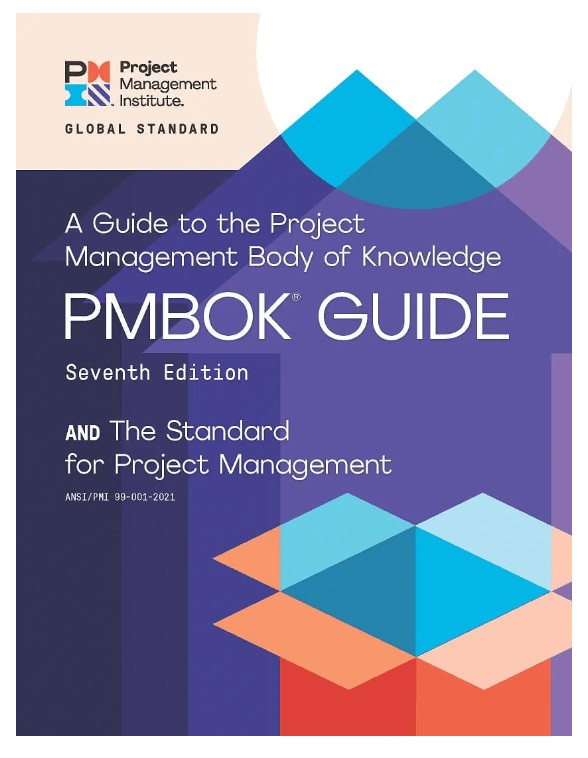
It is worth highlighting: The work of a PMP Engineer is guided by the PMBOK® (Project Management Body of Knowledge), the main international reference in project management. PMBOK brings together processes, practices, and standards that structure every project stage – from planning to final delivery – ensuring discipline, transparency, and quality.
In high-performance projects, hiring a project manager and following PMBOK best practices means reducing risks, avoiding improvisation, and ensuring that every decision is made based on globally recognized technical criteria.
Every PMP-certified Project Manager works based on PMBOK, the global guide to project management best practices, recognized and adopted by leading companies around the world.
PMBOK brings together best practices for planning, execution, monitoring, control, and project closing, covering crucial areas such as integration, scope, time, cost, quality, resources, communications, risks, procurement, and stakeholders.
Why Is PMBOK So Important for a Project Manager?
- Standardization and discipline:
It ensures that every project stage is documented, controlled, and aligned with international best practices, promoting clarity, predictability, and confidence for everyone involved. - Systemic view:
It integrates multidisciplinary teams (engineering, IT, suppliers, and clients) around common objectives, avoiding conflicts and rework. - Risk and change management:
PMBOK provides tools to identify, analyze, and address risks, as well as manage change requests with transparency and safety. - Flexibility and adaptability:
It is not a rigid approach: PMBOK allows processes to be adjusted to the reality of each project, ensuring agility without losing control or quality.
By choosing a PMP Engineer to lead your project, you ensure that the entire project life cycle will be conducted according to the most advanced standards in management, governance, and value delivery.
Comparative Case: Project Without vs. With a PMP
To illustrate in practice the difference a PMP Project Manager makes, let us compare two typical scenarios in technology infrastructure projects:
Scenario 1: Project Without a PMP
- Superficial planning: Schedules with little detail, without control of milestones and deadlines.
- Poor communication: Technical teams and suppliers misaligned, with decisions poorly documented.
- Constant scope changes: Lack of control over changes, leading to rework and delays.
- Lack of integration: Systems delivered without considering interoperability, resulting in incompatibilities.
- Noncompliance: Incomplete documentation, absence of formalized tests, and risk of failing to meet standards.
Consequences:
Frequent delays, extra costs, low client satisfaction, and exposure to legal risks.
Scenario 2: Project with a PMP Manager
- Detailed planning: Schedules, milestones, and responsibilities well defined and communicated to all parties.
- Change management: Formal control of requests, impact analysis, and structured approval.
- Structured communication: Regular reports, meeting minutes, and records accessible to all stakeholders.
- Integration of disciplines: Telecom, CCTV, electrical, IT, and access control working in synergy, reducing incompatibilities.
- Standards-compliant delivery: All deliverables reviewed and formalized, with documentation ready for audits and future expansion.
Results:
Project delivered on time, with costs under control, full traceability, and a high level of client/partner satisfaction.
Direct Benefits for the End Client and the Partner
Having a PMP-certified Project Manager leading telecommunications and digital security projects brings tangible advantages to clients, partners, and all stakeholders:
1. Transparency and Security in Every Phase
- Regular reports, clear schedules, and structured communication avoid surprises and make it easier for the client to monitor progress.
- All decisions are documented, enabling future audits and reviews.
2. Reduction of Technical, Financial, and Legal Risks
- Active risk management minimizes the chance of failures, delays, and unexpected costs.
- Adherence to standards and contractual controls avoids fines, embargoes, and legal disputes.
3. Quality of Deliverables
- Scope and requirements documented and validated with the client.
- Test and validation procedures ensure compliance and technical excellence.
4. Client Satisfaction and Trust
- Deliveries aligned with what was contracted, without surprises or improvisation.
- The client feels confident following the project and recommending the company to other partners.
5. Security for Future Expansions
- Projects with robust documentation and detailed records make future expansions, upgrades, and integrations easier.
What to expect from a project managed by a PMP:
- Detailed planning
- Mapped and controlled risks
- Accessible reports
- Fluid communication
- Standardized documentation
- Deliveries aligned with scope and standards
Reputation, Case Studies, and Signals of Authority
Market recognition and a successful project history are decisive factors for those seeking a trusted partner. PMP certification adds technical reputation and signals commitment to excellence, transparency, and value delivery.
Recognition by the Market
- Public and private contracts: Many clients, especially large companies and public agencies, already require or prioritize PMP certification when selecting suppliers for complex projects.
- Global trend: The Project Management Institute (PMI) is an international benchmark. Multinational companies and global integrators adopt the PMP methodology as a governance standard.
Success Stories
- Telecommunications projects delivered on time and with full adherence to contractual standards.
- Integrated CCTV, telecare, and access control systems installed without incompatibilities and with documentation ready for future expansions.
- Clients who began requiring PMP in new contracts after positive experiences.
Checklist of Excellence in PMP-Managed Projects
- Detailed planning
Schedule, milestones, and deliverables well defined from the beginning of the project. - Mapped and controlled risks
Mitigation strategies and responses to unforeseen events documented. - Accessible reporting and communication
Periodic updates, recorded meetings, and transparent information. - Efficient multidisciplinary integration
All technical areas working in a coordinated and synergistic way. - Standardized and complete documentation
Records, technical memorials, as-builts, test reports, and ARTs available for consultation and audits. - Regulatory and contractual compliance
All technical and legal requirements met, without improvisation. - Deliveries aligned with the approved scope
What was contracted is delivered, with client validation at every stage. - Ease for audits, expansions, and upgrades
The project is ready to grow or be reviewed safely.
Final Considerations
The presence of a PMP-certified Project Manager is the differentiator that separates average projects from truly strategic deliveries. With internationally recognized expertise, the PMP ensures rigorous planning, integrated management, transparent communication, and results aligned with the expectations of clients and partners.
For companies seeking not only execution, but excellence and safety in technology infrastructure projects, relying on A3A Engenharia’s management and expertise in project management is the safest path to achieve business objectives and meet the demands of the public and private markets.
Want to ensure the successful delivery of your project?
Contact us at A3A Engenharia and discover our case studies, differentiators, and customized solutions – always backed by the expertise of a PMP Project Manager.