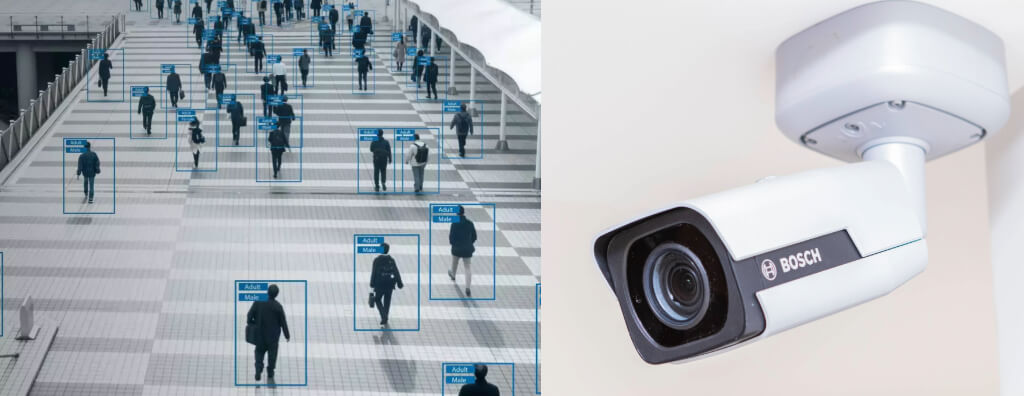
See how video analytics optimize CCTV systems with motion detection, facial recognition, perimeter protection, and automated incident response.
Check it out!
Video analytics optimize CCTV systems, making monitoring more intuitive, intelligent, and responsive.
In this article, we will discuss how video analytics are optimizing monitoring in CCTV systems, making them more intelligent, automated, and efficient. With the ability to automatically analyze video content in real time, video analytics enable faster incident response and reduce the burden on human operators, who previously had to monitor multiple screens simultaneously.
[elementor-template id=”24446″]
What Are Video Analytics?
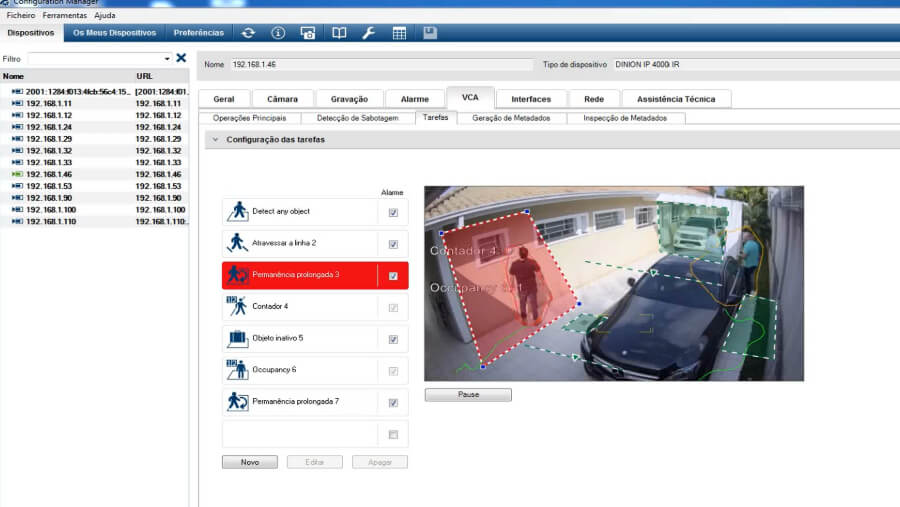
Video analytics are technologies that use advanced artificial intelligence algorithms to analyze images captured by CCTV cameras in real time. This analysis allows the system to automatically identify unusual events or patterns without constant human intervention. In addition, these systems can be programmed to generate automatic alerts when certain conditions are met, such as motion detected in restricted areas, suspicious behavior, or the presence of abandoned objects.
Types of Video Analytics
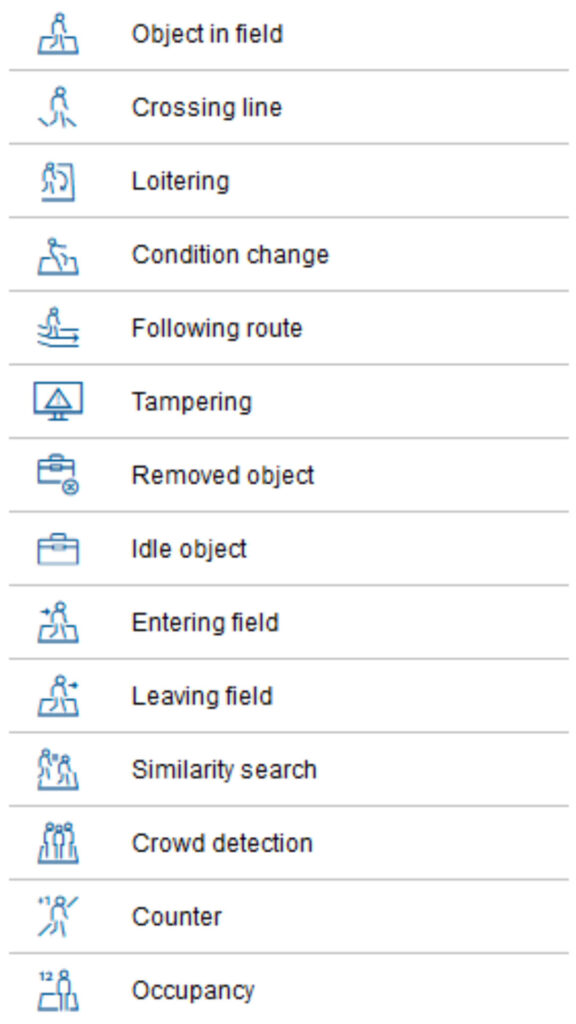
Motion Detection
One of the most basic analytics, motion detection alerts operators when movement is detected in a monitored area. This feature is especially useful during low-activity periods, such as at night, when any movement may indicate a suspicious event. In addition, this technology can be adjusted to ignore small movements, such as trees swaying in the wind, thus avoiding false alarms.
Detection of Abandoned or Removed Objects
Another very common analytic is abandoned or removed object detection. This feature is crucial in public places such as subway stations, airports, or shopping centers, where an unattended object may represent a security risk. The system can quickly identify when an object is left in or removed from a specific area and trigger an alert for operators.
- Practical example: At an airport, detection of an object left in the boarding area can generate an automatic alert for the security team to investigate the situation.
Facial Recognition
Facial recognition is a technology that identifies and compares faces captured by cameras against a pre-existing database. This type of analytic is widely used in environments where access control and individual identification are critical, such as events, high-security areas, or searches for suspicious individuals.
- Practical example: In a football stadium, the facial recognition system can be used to identify individuals with a history of violent behavior, preventing them from entering the venue.
People Counting
People counting is a feature widely used in commercial and public environments to monitor the flow of people in a specific area. This analytic helps optimize space management and security by identifying traffic and crowding patterns.
- Practical example: In a shopping mall, people counting can be used to analyze peak times and optimize the allocation of security teams and staff.
Intrusion and Perimeter Detection
Intrusion detection is one of the most widely used analytics in outdoor monitoring systems. It detects when a person or object enters a restricted area, such as the perimeter of a factory, and triggers an automatic alert. The system can be configured to ignore small animals or irrelevant movements, minimizing false alarms.
- Practical example: In an industrial facility, the intrusion detection analytic can monitor areas near the perimeter and immediately alert the security team if an unauthorized person enters the area.
Advantages of Video Analytics in CCTV
Automation and Reduced Human Workload
Traditional CCTV systems rely heavily on human operators to constantly monitor multiple video screens, which can be exhausting and error-prone. Video analytics automate much of this process by identifying relevant events in real time and allowing operators to focus only on critical situations.
Reduction of False Alarms
One of the biggest challenges in conventional CCTV systems is the large number of false alarms, which can overwhelm security teams. Video analytics can distinguish between important events and irrelevant situations, such as changes in lighting or small movements, ensuring that generated alerts are meaningful.
Improved Response Capability
With video analytics, security teams can react more quickly to incidents. Because the system automatically identifies suspicious behavior and sends real-time alerts, the response to threats or incidents is immediate, reducing the risk of damage.
- Practical example: If a camera in a bank detects an attempted intrusion outside business hours, the analytic can trigger a rapid response by sending alerts to the security team and locking nearby areas.
Data Analysis and Behavioral Patterns
Video analytics also provide powerful tools for analyzing historical data. By storing video and analyzing patterns, systems can identify behavioral trends over time, helping companies adjust their security strategies.
- Practical example: In a factory, movement pattern analysis can help identify perimeter vulnerabilities or areas where intrusions are more frequent.
Challenges in Implementing Video Analytics
Network Infrastructure
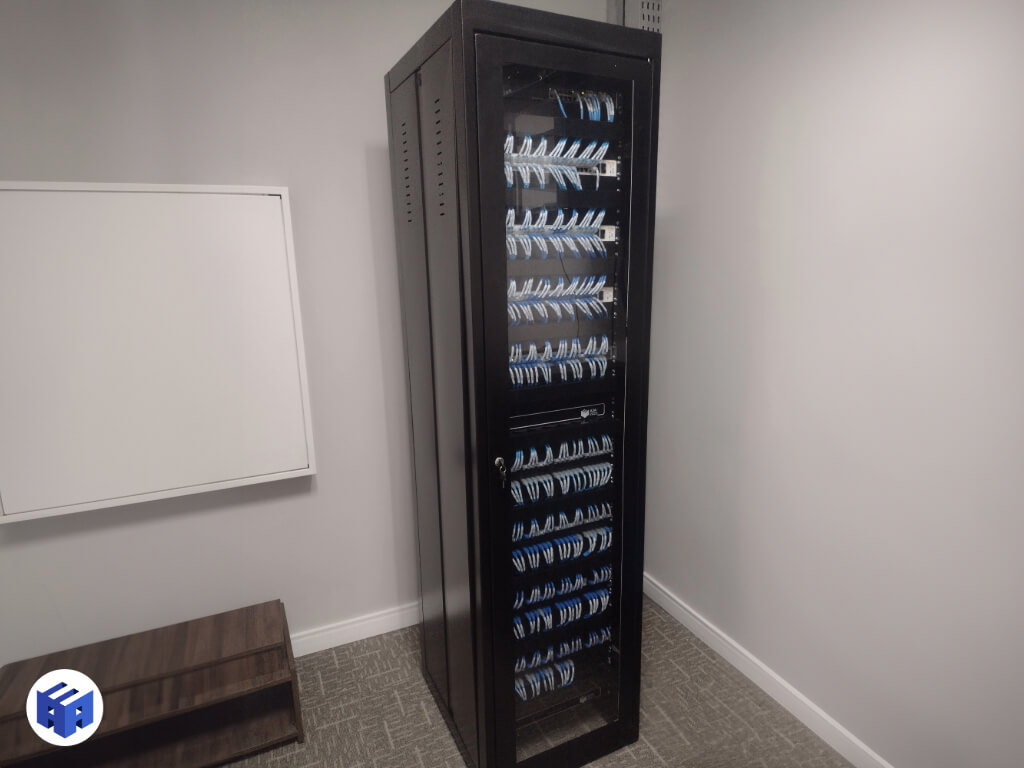
Source: A3A Engenharia de Sistemas
Video analytics require robust network infrastructure to operate efficiently. This includes high-quality cameras, powerful servers, and a network with sufficient capacity to process large volumes of data in real time. The use of advanced video compression, such as H.265, can help reduce data load without sacrificing quality.
Proper Calibration and Configuration
For analytics to work correctly, proper camera setup and correct configuration of areas of interest are crucial. Calibration must ensure that cameras are correctly positioned and that the system can distinguish relevant events from visual noise such as lighting changes or reflections.
Conclusion
Video analytics are a fundamental advancement in the field of electronic security, offering an efficient and automated way to monitor events in real time. By integrating artificial intelligence and advanced analytics into CCTV systems, it is possible to significantly improve the ability to detect, predict, and respond to security incidents. For organizations seeking efficiency and precision in video monitoring, analytics are a solution that delivers proactive security and better decision-making.