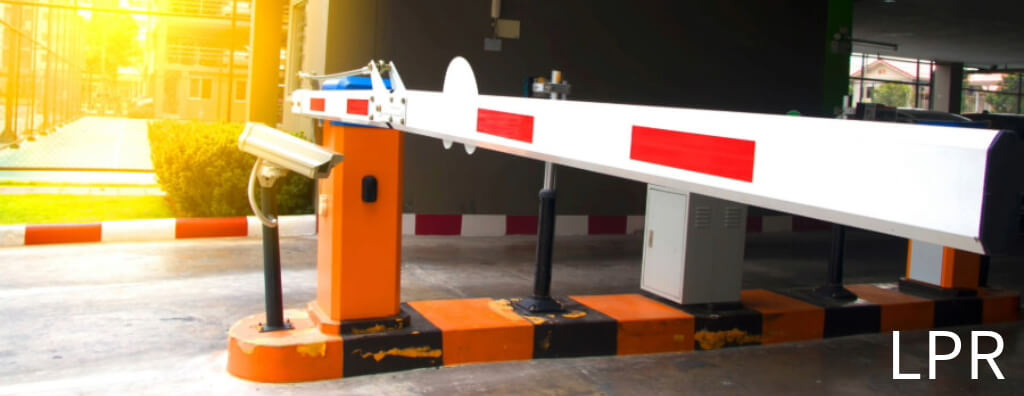
What is LPR? Understand how License Plate Recognition works, its technologies, applications, benefits, implementation challenges, and trends.
Check it out!
What Is LPR?
LPR, or License Plate Recognition, is a technology that automatically captures vehicle license plate information and converts it into data that can be processed by security or traffic-management systems.
In this article, we discuss License Plate Recognition (LPR), a technology that uses cameras and advanced algorithms to identify and record vehicle license plates. This solution is widely used in security systems, access control, and traffic monitoring.
We will cover its technical operation, main applications, and benefits across different sectors.
[elementor-template id=”24446″]
How Does LPR Work?
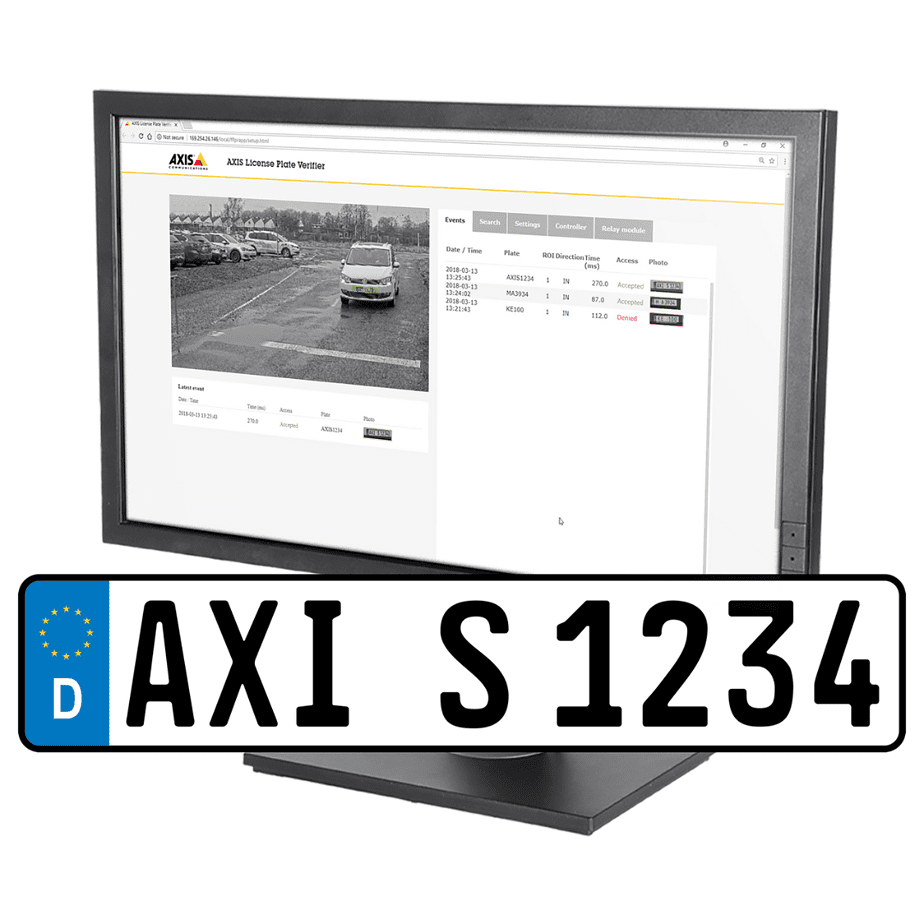
Using dedicated cameras and computer-vision algorithms, the system can identify license plate characters and store them for future queries or automated decision-making.
The LPR process involves the following steps:
- Image capture: Cameras positioned at strategic points capture images of vehicles and their license plates.
- Image processing: The image is processed digitally to facilitate extraction of relevant data.
- Optical character recognition (OCR): An OCR algorithm interprets the plate’s alphanumeric characters and converts the image into text.
- Data storage and processing: Extracted information is stored in a database for future queries, automated actions, or analysis.
Technologies Used for License Plate Recognition
LPR efficiency and accuracy depend on a combination of technologies ranging from specialized hardware to advanced software. The main technologies include:
High-Definition Cameras
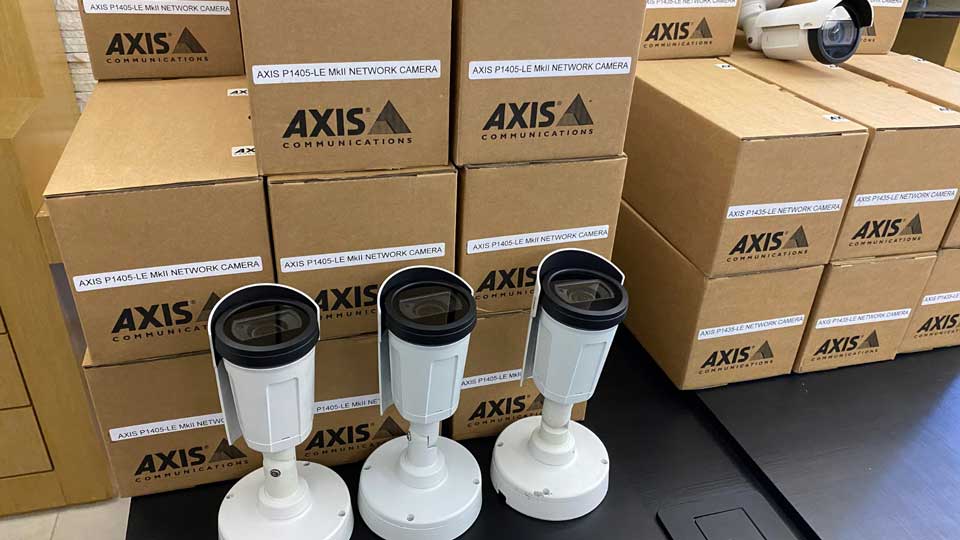
Collection: A3A Engenharia
Cameras used in LPR systems must be capable of capturing sharp images even under challenging conditions such as low light or high vehicle speeds. Many dedicated LPR cameras include infrared illumination for operation under a wide range of environmental conditions.
Computer-Vision Algorithms
Computer-vision algorithms analyze the images captured by the cameras and identify the vehicle plate. These algorithms may use techniques such as machine learning and deep learning to improve recognition accuracy, including for dirty, damaged, or partially obstructed plates.
Optical Character Recognition (OCR)
OCR is the system component responsible for converting the plate image into readable text. Modern OCR techniques enable fast and accurate recognition even under challenging contrast and lighting conditions.
Artificial Intelligence (AI)
AI can be integrated into LPR to improve identification and reduce errors. AI-based algorithms can learn from data and improve system performance over time.
Applications of License Plate Recognition
LPR is a versatile technology with applications across multiple sectors.
Some of the most common uses are listed below.
Vehicle Access Control
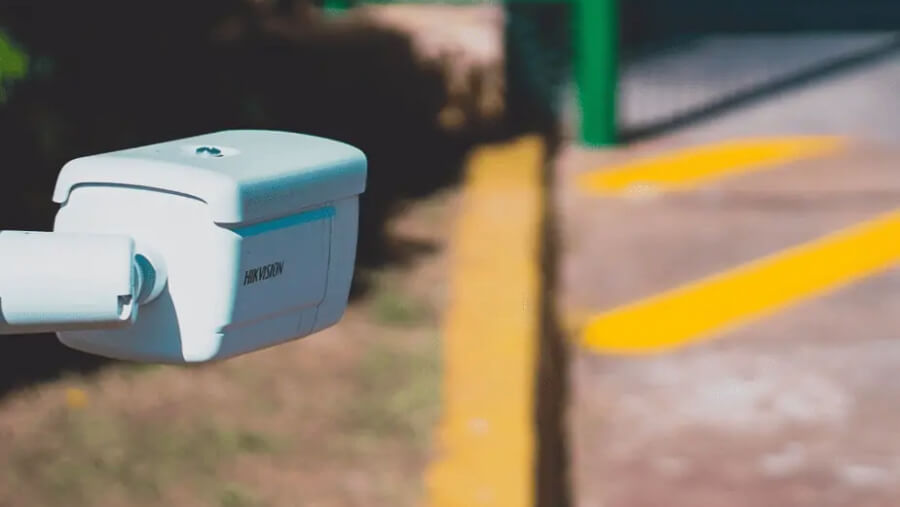
Acervo: A3A Engenharia de Sistemas
LPR systems are widely used in parking facilities, gated communities, and restricted areas to identify authorized vehicles. When a plate registered in the database is recognized, the system can automatically authorize access.
Traffic Monitoring
In the public sector, LPR can be used to monitor and manage vehicle traffic on roads and in urban areas. Depending on the overall enforcement system, it can help identify vehicles associated with traffic violations or restricted-lane events.
Public Safety
In urban surveillance systems, LPR can support the identification of vehicles of interest, including stolen vehicles. Cameras installed at strategic points can generate real-time alerts when a configured plate is detected.
Tolling and Highway Management
LPR systems can support automated tolling and highway-management workflows, reducing the need for manual plate identification and enabling vehicle-event correlation.
Fleet and Logistics
Organizations operating vehicle fleets use LPR to monitor vehicle entry and exit, improve operational efficiency, and support security controls.
Benefits of LPR
LPR technology offers several benefits for security and automation in both public and private applications.
Automation and Efficiency
LPR reduces the need for manual vehicle identification, making processes such as access control and traffic monitoring more efficient and responsive.
Improved Security
By automatically identifying unauthorized or configured vehicles of interest, LPR can strengthen security processes in protected facilities and urban environments.
Records and Auditability
LPR systems can maintain detailed records of plate reads for auditing, investigations, and compliance workflows, subject to applicable data-governance policies.
Regulatory Compliance
With data-protection regulations such as Brazil’s LGPD, LPR solutions should be designed to store and process data securely, with controls appropriate to privacy and retention requirements.
CCTV Consulting and Design with License Plate Recognition
Implementing a CCTV system with LPR (License Plate Recognition) is an advanced solution for monitoring and controlling vehicles in restricted areas, parking facilities, and public roads. However, the technical complexity of this type of project requires more than simply purchasing cameras and recognition software.
Proper implementation of an LPR system depends on detailed planning and execution that considers the specific conditions of each environment, helping ensure efficient and accurate plate recognition even under challenging conditions.
A company specialized in CCTV consulting and design, with expertise in video analytics and LPR, can ensure that the system is properly sized.
Qualified professionals can evaluate factors such as optimal camera positioning, network infrastructure required to support generated data volumes, and integration with monitoring and vehicle-management software. This improves system efficiency and helps avoid problems such as poor plate capture or equipment incompatibility.
Challenges in LPR Implementation
Despite its benefits, LPR presents implementation challenges that should be considered during design and deployment.
License Plate Legibility
Dirty, damaged, poorly positioned, or partially obstructed plates can reduce system accuracy. Different plate formats across states or countries can also create recognition challenges.
Initial Cost
The installation of LPR cameras integrated with video-management software should be properly designed so that investment aligns with project requirements and lifecycle cost objectives.
Data Protection
Because LPR systems capture and store vehicle-identification data, data protection must be addressed as a design requirement. Compliance with regulations such as Brazil’s LGPD is essential to control access, retention, processing, and misuse of collected information.
LPR Trends
LPR continues to evolve as new technologies are integrated to improve accuracy and expand applications. Key trends include:
Integration with Big Data
As LPR systems generate increasing volumes of metadata, integration with big-data platforms can support deeper analysis, correlation, and more informed real-time decisions.
AI and Machine Learning
Continued use of artificial intelligence and machine learning can improve LPR performance with damaged or obstructed plates and increase adaptability to different environments and operating conditions.
Integration with Smart Cities
LPR can be integrated into smart-city solutions for traffic management, urban-security workflows, and transportation operations.
Conclusion
License Plate Recognition (LPR) is a powerful technology that brings efficiency, security, and automation to multiple applications. Although implementation challenges remain, advances in AI, big data, and computer vision continue to expand its capabilities across urban, corporate, and public-safety environments.
If you need to optimize a CCTV system with LPR and video analytics for reliable operation, our Engineering Department can support the design and technical implementation.
A3A Engenharia specializes in CCTV consulting and design, with solutions structured around each project’s technical and operational requirements.
Contact us to structure your project from planning through final delivery with engineering criteria and technical traceability.