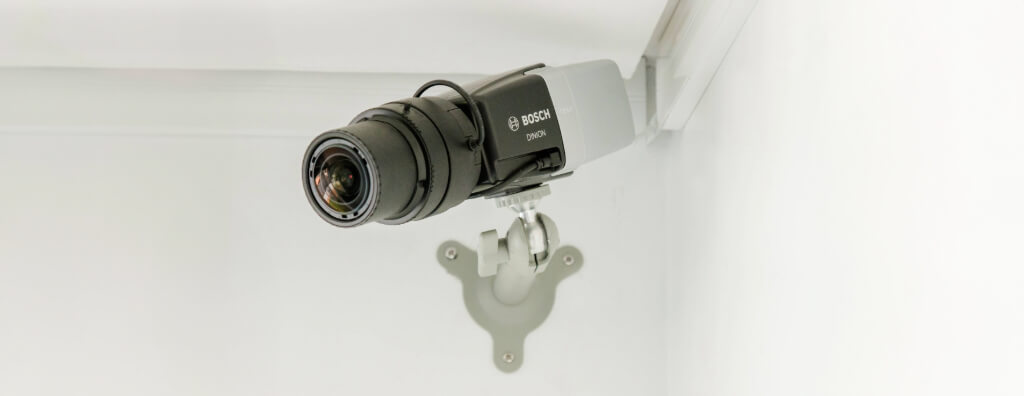
IP CCTV is a video monitoring system that uses digital cameras connected to a data network via Internet Protocol, to capture, transmit, and store images. In this article we will present everything you need to know to choose the best technology and its main advantages over the analog system. Closed Circuit IP Television is a […]
Check it out!
IP CCTV is a video monitoring system that uses digital cameras connected to a data network via Internet Protocol, to capture, transmit, and store images.
In this article we will present everything you need to know to choose the best technology and its main advantages over the analog system.
Closed Circuit IP Television is a significant evolution in the field of electronic security, replacing traditional analog systems with more advanced and versatile digital solutions. With the ability to transmit high-quality video through data networks.
IP CCTV enables more efficient, flexible, and scalable monitoring, adapting to the needs of different types of installations, from homes to large companies.
[elementor-template id=”24446″]
Advantages of IP CCTV over analog systems:
- Superior Image Quality: IP cameras offer resolutions ranging from HD to 4K, allowing sharper and more detailed image captures, which is essential for identifying people and events.
- Flexibility and Scalability: Unlike analog systems, which have limitations in distance and installation complexity, IP CCTV uses the existing network infrastructure, making it easier to expand the system as needs grow.
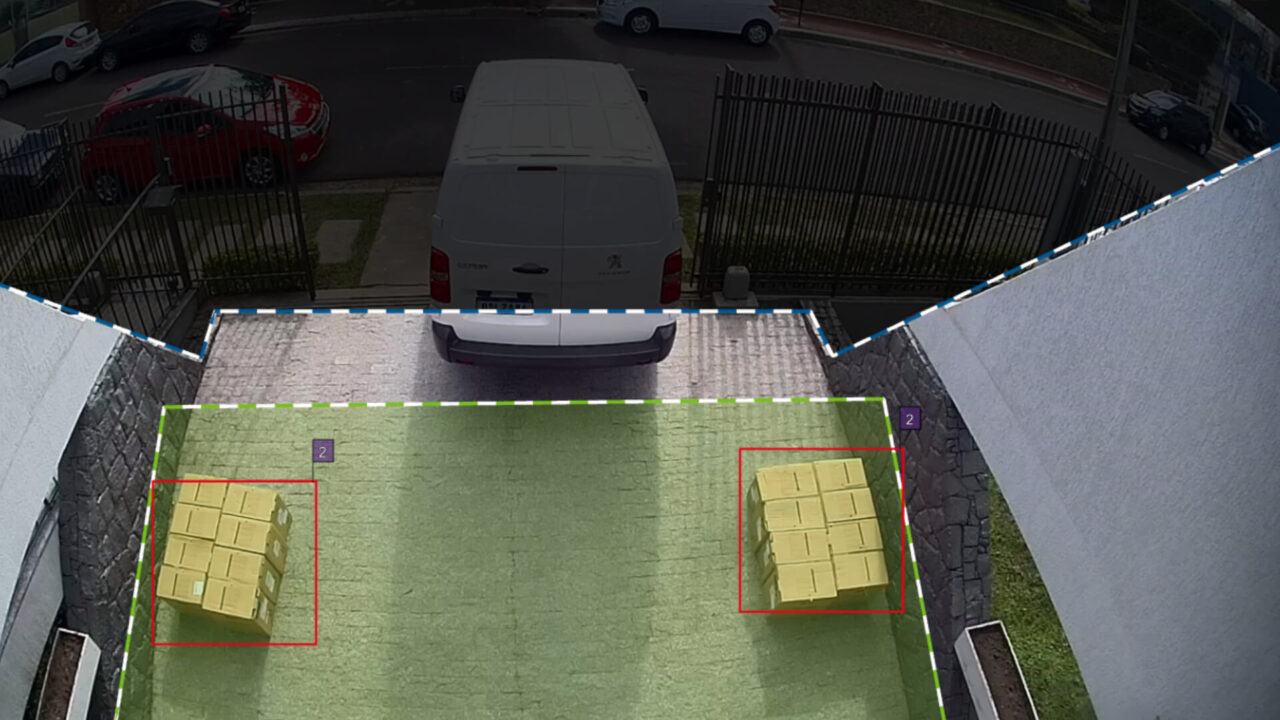
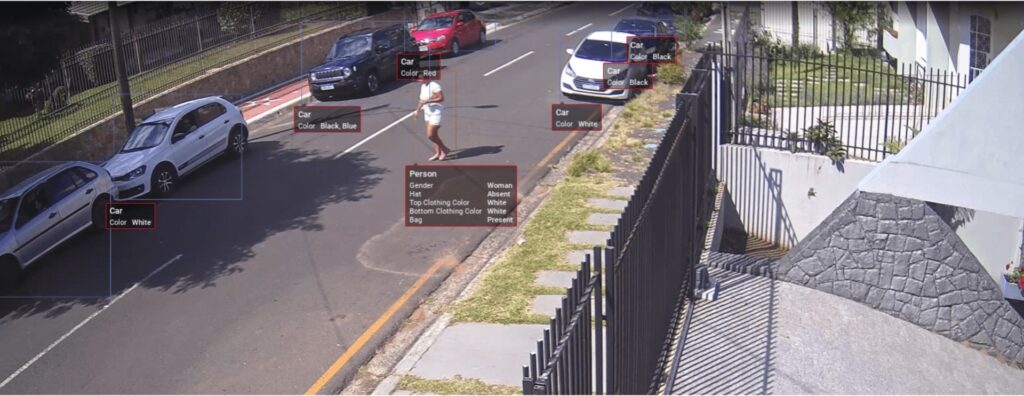
- Integration with Video Analytics: IP systems can be integrated with intelligent analytics software, automating processes such as motion detection, facial recognition, and people counting, bringing a new level of intelligence to monitoring.
- Remote Management: Through internet connectivity, IP CCTV allows system access from anywhere, facilitating real-time control and supervision.
Growth of IP CCTV in the security market: With the advancement of digital technologies and the growing demand for more efficient security solutions, the IP CCTV market has shown significant growth in recent years. Companies are increasingly opting for IP systems due to their ability to integrate with other technologies, such as access control systems, alarms, and IoT devices, making them an essential component in the modern security ecosystem.
How IP CCTV Works
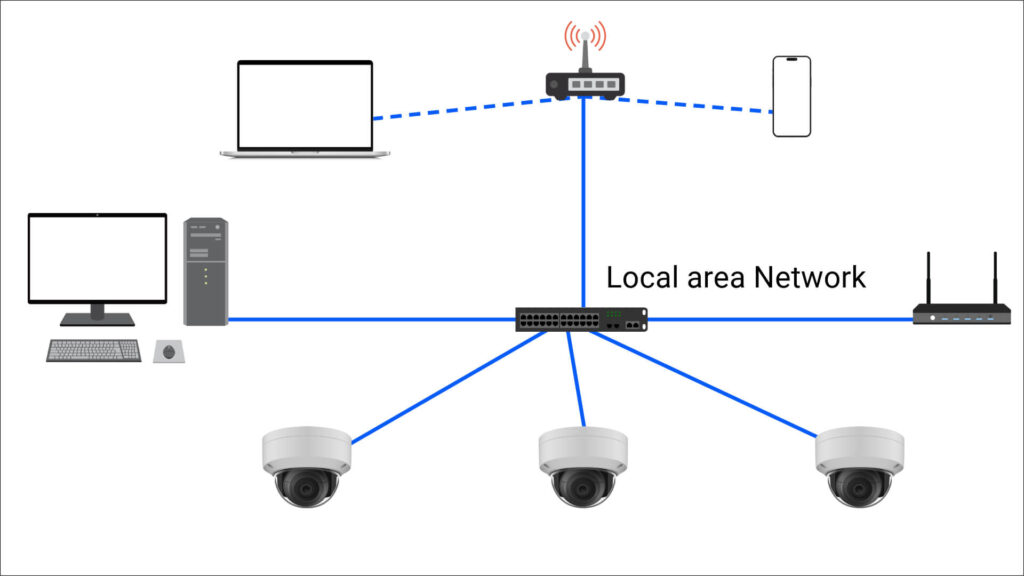
The operation of IP CCTV is based on transmitting video over data networks, using the IP (Internet Protocol) for communication between cameras, recording devices, and monitoring systems. Unlike analog systems, which rely on coaxial cables for video transmission, IP CCTV utilizes the local area network (LAN) infrastructure and the internet, providing greater flexibility and integration.
Main Components of IP CCTV:
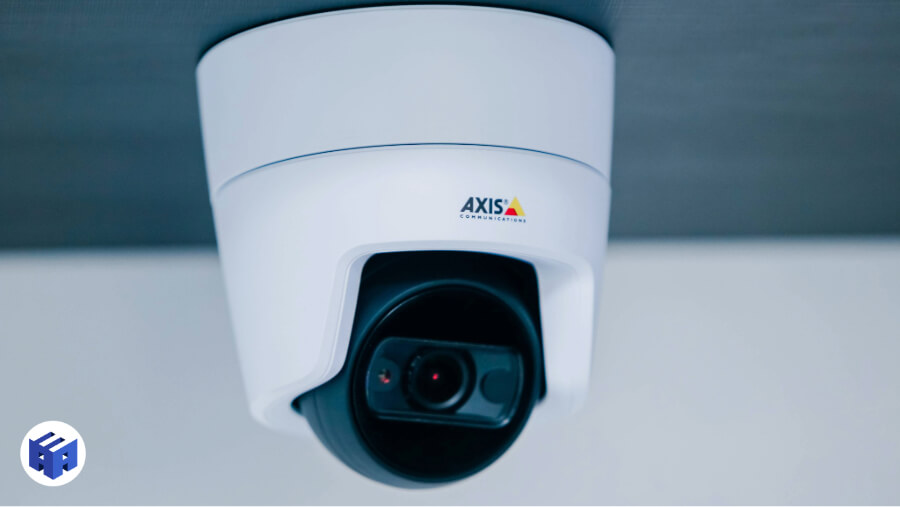
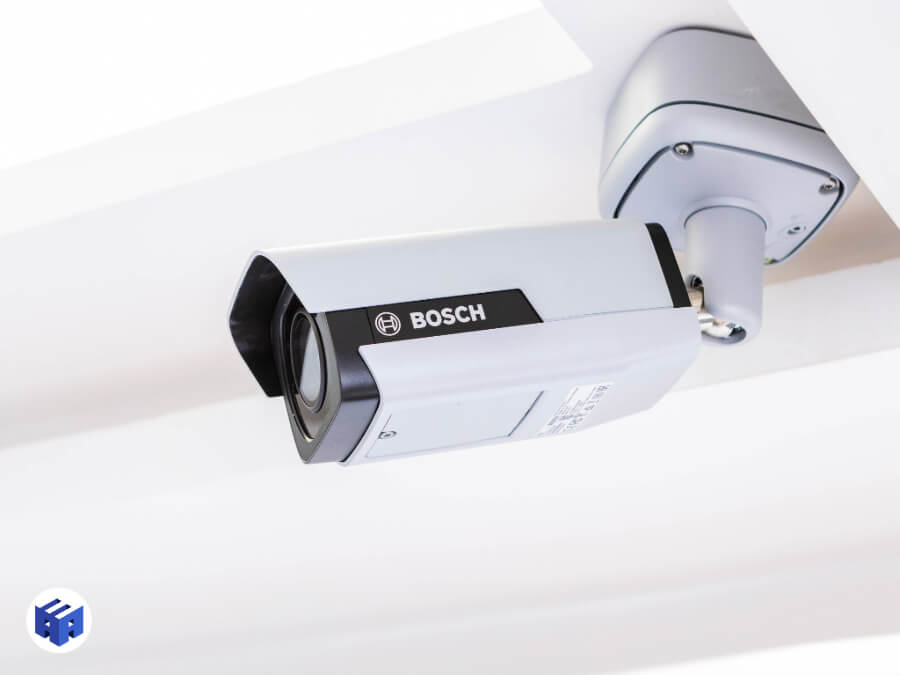
- IP Cameras: These are the devices responsible for capturing video. Each camera has a unique IP address, allowing direct connection to the network. IP cameras come in various models, such as bullet, dome, PTZ (Pan, Tilt, Zoom), and feature capabilities like video compression, motion detection, and even embedded video analytics.
A3A Engenharia de Sistemas Collection
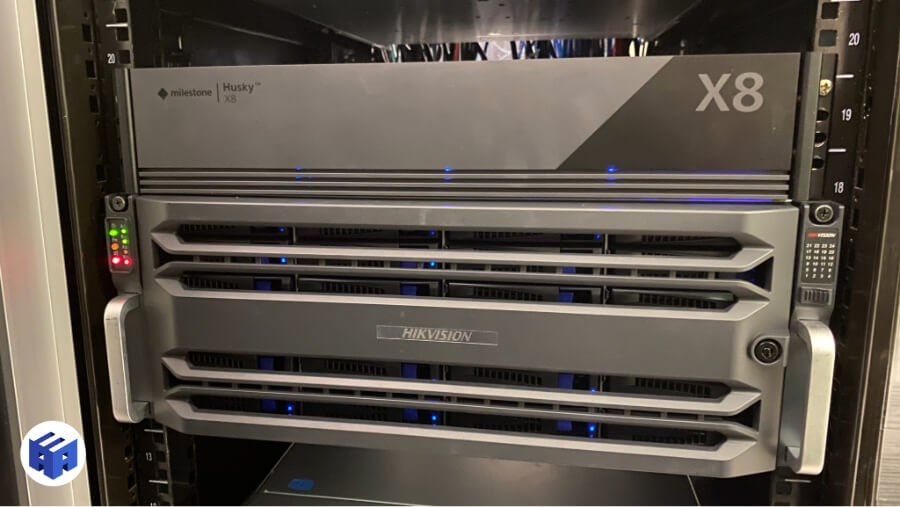
- Recording Server: This is the server responsible for recording and managing the videos captured by the IP cameras. Unlike the DVRs used in analog systems, Recording Servers operate completely on the network, offering greater flexibility in configuration and storage capacity.
A3A Engenharia de Sistemas Collection
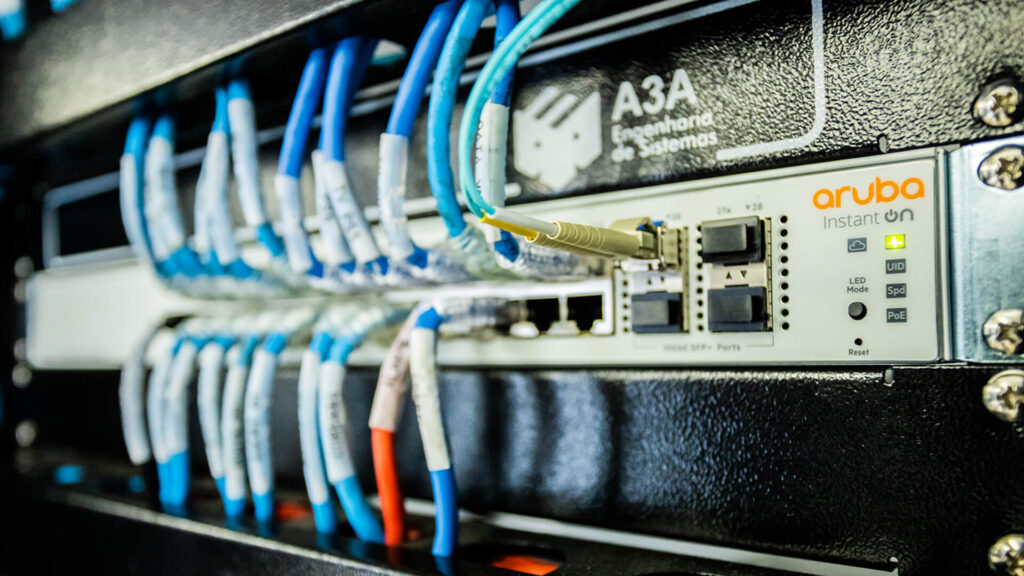
- Network and PoE (Power over Ethernet) Switches: Network switches are responsible for interconnecting the cameras within the network infrastructure. The use of PoE is very common, as it allows cameras to be powered directly through the network cable, eliminating the need for separate power supplies and simplifying installation.
A3A Engenharia de Sistemas Collection
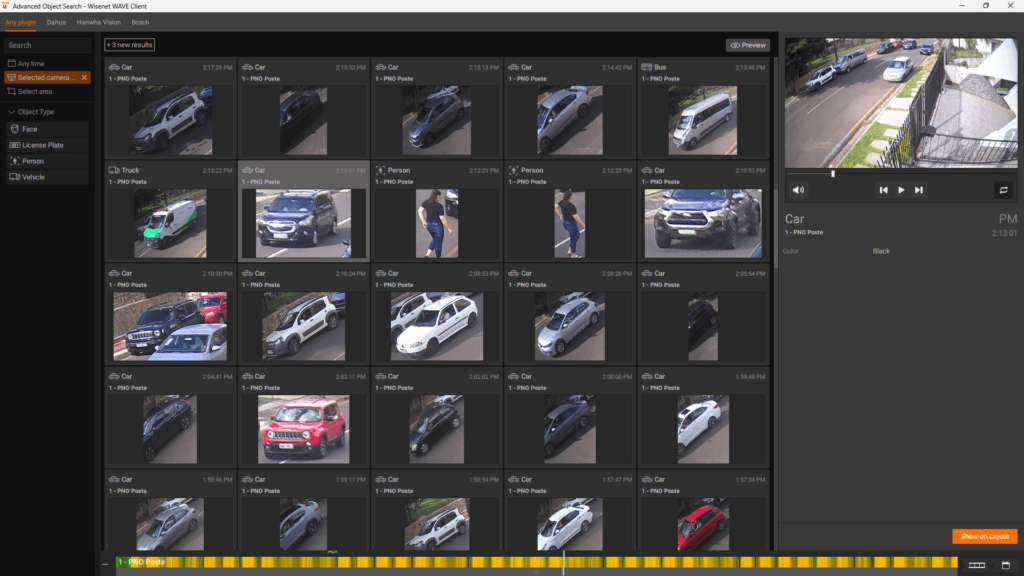
- Video Management Software (VMS – Video Management System): This software enables viewing, recording, playback, and management of the cameras and recordings. A VMS offers features such as alert configuration, real-time multi-camera viewing, and exporting videos for later analysis.
A3A Engenharia de Sistemas Collection
Main Embedded Technologies
The technologies used in IP CCTV systems are essential to ensuring the quality, efficiency, and security of monitoring systems. These technologies range from video compression to connectivity forms and camera features, each playing a crucial role in system performance.
1. Video Compression:
- H.264: One of the most common video compression formats, H.264 offers a good balance between image quality and bandwidth usage. It is widely used in IP CCTV systems due to its efficiency and compatibility.
- H.265 (HEVC – High Efficiency Video Coding): The successor to H.264, H.265 can reduce bandwidth usage and storage space by up to 50% compared to H.264, without compromising image quality. This makes it ideal for cameras with 4K resolution or environments where storage is a challenge.
- H.265+: An optimized version of H.265, developed by some camera manufacturers, offering even more efficiency in compression by reducing bitrates in static surveillance scenarios, such as indoor environments.
- Zipstream: A technology found in Axis cameras. Unlike traditional compression methods, Zipstream analyzes the captured scene and optimizes the compression of less relevant parts, such as static backgrounds, while preserving critical details, like faces and moving objects. This results in resource savings while maintaining monitoring effectiveness.
2. Image Resolutions:
- HD (720p) and Full HD (1080p): Basic resolutions suitable for most commercial and residential applications, providing good image quality for facial recognition and details.
- 4K (Ultra HD): Delivers extremely high-definition images, ideal for applications requiring precise details, such as airports, casinos, and urban environments. However, this resolution demands greater processing power, storage, and bandwidth capacity.
- Special Resolutions (5MP, 8MP, etc.): In addition to 4K, some IP cameras offer intermediate resolutions that adapt to specific needs, balancing image quality and available resources.
3. Connectivity:
- PoE (Power over Ethernet): Technology that allows IP cameras to be powered directly through the network cable, simplifying installation and reducing costs by eliminating the need for a dedicated power supply.
- Wi-Fi: Allows the installation of cameras without the need for network cabling, ideal for places where physical infrastructure is limited. However, the use of Wi-Fi must be cautious, as it can present range and interference limitations.
- Fiber Optics: Primarily used in large-scale installations where data transmission needs to cover long distances without signal loss, such as in cities or industrial complexes.
4. Advanced IP Camera Features:
- WDR (Wide Dynamic Range): Technology that improves image capture in environments with challenging lighting conditions, such as areas with direct sunlight and dark shadows. WDR balances lighting variations, delivering clearer and more detailed images.
- Night Vision and Infrared: Allows capturing images in low or no light environments, using infrared LEDs to discretely illuminate the monitoring area.
- PTZ (Pan, Tilt, Zoom): Cameras with movement and zoom capabilities, allowing coverage of large areas with a single device. These cameras are ideal for active surveillance and real-time monitoring of specific events.
These technologies not only improve the efficiency of IP CCTV but also provide a flexibility that allows adapting the system to the specific needs of each installation.
Advanced IP Camera Features
IP cameras offer a variety of advanced features that significantly increase the effectiveness and intelligence of surveillance systems. These features not only improve image quality but also add functionalities that help in incident prevention, security process automation, and real-time data analysis.
Video Analytics:

Video analytics allow IP cameras to do more than just capture images; they can also interpret the content of scenes, identifying specific events and triggering automatic alerts. Some of the main analytics features include:
- Motion Detection: Identifies movements in a predefined area and generates alerts for suspicious events. Very useful in environments where the presence of people is limited or unexpected.
- People Counting: Uses algorithms to count the number of people entering or leaving an area, which is valuable for flow management in retail stores, events, and public transport stations.
- Facial Recognition: Analyzes faces captured by the camera and compares them with a database, allowing the identification of individuals of interest. Widely used in public security and access control.
- Left or Removed Object Detection: This feature detects when an object is left or removed from a specific area, helping to prevent actions such as abandoned luggage in sensitive areas.
WDR (Wide Dynamic Range) and Image Optimization Technologies:
- WDR: Essential for capturing images in places with extreme lighting contrasts, such as building entrances or areas with intense sunlight. WDR adjusts the camera’s exposure to balance light and dark areas, producing sharper and more detailed images.
- Noise Reduction Technologies (3D-DNR): Reduces the digital noise that appears in low light environments, improving the clarity of nighttime images.
- Lightfinder: Technology that allows capturing colors even in low light conditions, instead of converting to black and white. Ideal for cameras installed in areas requiring continuous color monitoring.
Varifocal and Fixed Lenses:
- Varifocal Lenses: Allow manual or automatic adjustment of the camera’s field of view, providing flexibility to cover specific areas without physically repositioning the device.
- Fixed Lenses: Offer a constant field of view and are generally used in environments where the camera’s position and objective do not change frequently.
Varifocal lenses can be manual or motorized.
PTZ (Pan, Tilt, Zoom) Cameras:
- These cameras have the ability to move horizontally (pan), vertically (tilt), and zoom in on areas of interest. They are controlled remotely and are ideal for monitoring large spaces or situations where the operator needs to track the movement of objects or people.
SD Card Recording: (Edge Recording)
- Many modern IP cameras have SD card slots, allowing local recording of images. This increases the system’s resilience, as recordings can be maintained even in the event of network or NVR failures.
Integration with Other Systems:
- IP cameras can be integrated with access control systems, alarms, and other security devices, creating a complete surveillance ecosystem. This allows, for example, a door to be automatically unlocked when an authorized face is recognized by the camera.
The advanced features of IP cameras transform CCTV into a proactive system, capable of not only monitoring but also reacting and providing valuable data for decision-making.
Planning and Design of an IP CCTV System
The planning and design of an IP CCTV system are critical steps to ensure that the system meets the specific security needs of the site and operates efficiently and reliably. A well-structured project considers everything from the initial analysis to the appropriate choice of equipment and the installation of the network infrastructure.
1. Steps for Planning an IP CCTV System:
- Risk Analysis: Identify critical areas that need monitoring, such as entrances, exits, corridors, parking lots, and restricted areas. This analysis helps define the strategic positioning of the cameras and the quantity needed to cover all areas of interest.
- Definition of Coverage Areas: Determine the desired coverage for each camera, considering angles, distances, and possible obstructions. Use maps and diagrams to visualize the distribution of cameras and ensure there are no blind spots.
- Equipment Selection: Based on the risk analysis and coverage areas, select the appropriate types of IP cameras (bullet, dome, PTZ, etc.), NVRs, switches, and other necessary components. It is important to consider technical specifications such as resolution, storage capacity, and advanced features.
2. Considerations on Network Infrastructure:
- Bandwidth and Latency: Calculate the bandwidth needed to transmit video from all cameras, especially at high resolutions like Full HD or 4K. Ensure that the network can handle the demand without causing delays in live viewing or recording.
- Network Security: Protecting the network against unauthorized access and cyber attacks is essential in an IP CCTV system. This includes the use of strong passwords, encryption of transmitted data, network segmentation, and regular updating of device firmware.
- PoE (Power over Ethernet): Plan the use of PoE switches to power cameras directly through the network cable, simplifying installation and reducing additional cabling costs.
3. Storage Sizing:
- Recording Capacity: Calculate the amount of storage needed based on the number of cameras, resolution, frames per second (FPS), and the desired retention time of the recordings. Use NVRs with high-capacity hard drives or consider cloud solutions for additional backup.
- Video Compression: The use of codecs like H.265 helps to significantly reduce the required storage space without compromising image quality, being an important choice in planning.
4. Network Project Development:
- Network Topology: Define the network structure that will connect all cameras, NVRs, and monitoring stations. A star, tree, or mesh topology can be chosen, depending on the complexity of the system and the available infrastructure.
- Redundancy and Backup: Plan redundancies to ensure the system continues operating even in the event of network, power, or device failures. This may include the use of uninterruptible power supplies (UPS), backup internet links, and local recording on SD cards in the cameras.
5. Installation and Testing:
- Physical Installation: Position and secure the cameras in the defined locations, ensuring they are correctly aligned and unobstructed. Install switches, NVRs, and all other components following best practices.
- Functional Testing: After installation, perform tests to verify image quality, data transmission, recording, and integration with the management software. Adjust settings as needed to optimize system performance.
6. Documentation and Training:
- Comprehensive Documentation: Create detailed documentation of the system, including network diagrams, equipment specifications, and operating instructions. This documentation is crucial for future maintenance and troubleshooting.
- User Training: Offer training to system operators, teaching them how to use the management software, monitor the cameras, and respond to alerts generated by video analytics.
A well-crafted project done by a specialized company is essential for the IP CCTV system to function efficiently and provide the expected level of security.
Cybersecurity in IP CCTV
Cybersecurity is a crucial aspect in IP CCTV systems, as these systems are connected to the network and often to the internet, making them susceptible to cyber attacks. Without adequate security measures, IP cameras and other surveillance devices can be targeted by hackers, compromising the integrity, privacy, and functionality of the system.
Main Vulnerabilities of IP Systems:
- Unauthorized Access: IP cameras, NVRs, and other devices can be accessed by unauthorized individuals if default credentials are not changed or if weak passwords are used.
- Denial of Service (DoS) Attacks: These attacks aim to overload the system, rendering it inoperative. In an IP CCTV system, this can result in the loss of live or recorded videos.
- Malware and Ransomware: Outdated devices and unprotected networks can be infected with malware that compromises system functionality or, in the case of ransomware, encrypts data and demands payment for release.
- Data Interception: The lack of encryption in video transmissions can allow attackers to intercept and view images without permission.
Security Best Practices:
- Changing Default Credentials: One of the first steps to take is to change the default passwords of all devices, using strong passwords that combine letters, numbers, and special characters.
- Data Encryption: Implement encryption in video transmissions and system access to protect images and sensitive information against interception.
- Multi-Factor Authentication (MFA): Adopt MFA for accessing the video management software (VMS) and other critical devices, adding an extra layer of security beyond the password.
- Firmware Updates: Keep all devices updated with the latest firmware versions, which often patch known security vulnerabilities.
- Network Security: Implement firewalls, network segmentation, and continuous monitoring to protect the IP CCTV system against unauthorized access. Network segmentation, for example, isolates video traffic from main network traffic, making intrusion more difficult.
Examples of Attack Cases and How to Mitigate Them:
- Hacked IP Cameras Case: There are records of cases where hackers took control of IP cameras, managing to access live images and even redirect recordings. Mitigation involves the use of strong passwords, encryption, and configuring restricted access to the internal network.
- Ransomware on NVRs: In some incidents, NVRs were infected by ransomware, resulting in a temporary loss of access to recordings. To mitigate, it is essential to perform regular backups of recordings and keep all devices updated.
- Denial of Service (DoS) Attacks on Surveillance Systems: Surveillance systems can be targets of DoS attacks, interrupting monitoring. Mitigation includes the use of firewalls and the configuration of automatic alerts to detect anomalous traffic.
Continuous Security Monitoring:
- Implement monitoring tools that detect suspicious activities, such as failed login attempts, unexpected changes in device configuration, and unusual traffic spikes. This monitoring helps to respond quickly to potential threats.
Training for Users and Administrators:
- Train operators and system administrators to recognize signs of security compromises and respond appropriately. Continuous training in security best practices is essential to minimize the risk of attacks.
Implementation of Access and Auditing Policies:
- Define clear system access policies, limiting permissions only to users who genuinely need them. In addition, implement audit logs to track who accesses the system and what actions are taken.
Advantages and Disadvantages of IP CCTV
IP CCTV offers a number of advantages that make it a superior choice compared to traditional analog systems. However, like any technology, it also presents some challenges and limitations that need to be considered during planning and implementation.
Advantages of IP CCTV:
- Superior Image Quality: IP cameras offer higher resolutions, such as Full HD, 4K, and even higher, allowing you to capture details that would be impossible with analog systems. This quality is essential for identifying people, license plates, and small objects.
- Scalability and Flexibility: IP CCTV is easily scalable, allowing the addition of new cameras without major changes to the existing infrastructure. IP connectivity facilitates the integration of new devices into already deployed systems, making it possible to expand as security needs increase.
- Connectivity and Remote Management: Being connected to the network, IP cameras allow remote monitoring from anywhere with internet access. This is especially useful for companies with multiple locations or for users who need to manage the system remotely.
- Integration with Video Analytics and Security Systems: The ability to integrate IP CCTV with video analysis software (VMS) and other security systems, such as access control and alarms, creates an integrated security ecosystem that increases monitoring efficiency.
- Lower Cabling and Infrastructure Costs: Using PoE (Power over Ethernet) technology, IP cameras can be powered through the same network cable that transmits data, reducing the need for separate electrical cabling and simplifying installation.
- Flexible Storage: IP CCTV offers multiple storage options, such as local recording on the NVR, cloud storage, or recording directly onto the cameras (on SD cards). This allows adapting the system to specific video retention and data security needs.
Disadvantages of IP CCTV:
- Complexity in Configuration and Maintenance: The installation and configuration of an IP CCTV system are more complex, requiring technical knowledge in networks, cybersecurity, and system integration. Maintenance can also be more challenging, especially in large networks with multiple devices.
- Dependence on Network Infrastructure: The performance of IP CCTV is directly linked to the quality of the network infrastructure. Poorly configured or undersized networks can cause packet loss, high latency, and even failures in the recording and monitoring system.
- Vulnerability to Cyber Attacks: Because IP CCTV systems are connected to the network, they are susceptible to cyber threats such as hackers, malware, and denial-of-service attacks. Proper cybersecurity is essential to protect the system against intrusions.
- Storage and Bandwidth Requirements: High-resolution cameras generate a large amount of data, which increases the demand for network bandwidth and storage capacity. Improperly sized systems can face performance issues and limited recording capacity.
Final Considerations: The advantages of IP CCTV, such as image quality, flexibility, and advanced features, outweigh its disadvantages, especially when the system is well-designed and configured. However, it is crucial to consider the associated challenges and ensure that all infrastructure and security needs are met to maximize the system’s benefits.
Trends and the Future of IP CCTV
The demands of the security sector are constantly increasing, and as a result, IP CCTV projects need to deliver more and more performance and make monitoring smarter, more efficient, and more integrated. Increasingly, monitoring is shifting from being merely ostensive to being responsive, addressing security events in real-time.
Integration with Artificial Intelligence and Machine Learning:
A3A Engenharia de Sistemas Collection
- Behavior Analysis: The use of artificial intelligence (AI) is revolutionizing IP CCTV, allowing the automatic analysis of suspicious behaviors, such as erratic movements or prolonged presence in restricted areas. Surveillance systems can learn normal activity patterns and generate automatic alerts when they detect deviations.
- Advanced Facial Recognition: AI also significantly improves facial recognition, making it faster and more precise, even in challenging lighting conditions or with sub-optimal capture angles. This increases efficiency in identifying people of interest and in access control.
Adoption of Real-Time Video Analysis:
- Real-time video analysis is becoming a standard in IP CCTV systems, allowing the immediate detection of events such as falls, fights, abandoned objects, and intrusions. This feature speeds up incident response, allowing for quick interventions and minimizing damage.
- Applications such as people counting, queue detection, and critical area monitoring are used beyond security, optimizing operations in sectors like retail and transportation.
Expansion of Cloud Computing Usage:
- Cloud Storage: The use of the cloud for video storage is growing, offering scalability, flexibility, and remote access to recordings. Hybrid solutions, which combine local and cloud recording, ensure greater resilience and redundancy.
- Video Management as a Service (VMSaaS): The software as a service (SaaS) model is being adopted in IP CCTV systems, allowing companies to outsource video management, simplify maintenance, and reduce operational costs.
Integration with IoT (Internet of Things):
- The convergence of IP CCTV and IoT is creating intelligent security ecosystems, where cameras, sensors, and other devices communicate and collaborate. This enables contextual monitoring, where video analysis is combined with sensor data, such as temperature, movement, and sound.
- Integrated systems can, for example, automatically adjust a camera’s zoom based on a motion alarm or adjust an area’s lighting to improve image capture.
Cameras with Advanced Detection and Resolution Features:
- Multisensor Cameras: Equipped with multiple sensors, these cameras capture multiple angles of an area with a single device, reducing the need for multiple cameras and simplifying installation.
- Ultra-HD Resolution and Beyond: The advancement of 8K and higher resolutions is enabling unprecedented clarity, ideal for urban surveillance and large space monitoring. Cameras with super resolution also allow for more precise digital zooms without a significant loss in quality.
Use of Immersive Video Technologies and Augmented Reality:
- 360-Degree Cameras: Allow panoramic viewing of entire areas without blind spots, making them ideal for locations such as squares, stadiums, and large indoor areas.
- Augmented Reality (AR) for Surveillance: AR is beginning to be used in monitoring systems, allowing operators to see real-time data overlays on video images, such as movement heatmaps or automatic identification of people and objects.
IP CCTV Market Growth Forecasts:
- The global IP CCTV market continues to grow rapidly, driven by the demand for greater security and the adoption of smart cities, which use surveillance cameras for traffic management, public safety, and environmental monitoring.
- Technological innovation and falling component prices are expected to continue democratizing access to advanced systems, expanding their use in small and medium-sized enterprises and even in homes.
Greater Emphasis on Privacy and Regulatory Compliance:
- With the increase in surveillance, concern for privacy and compliance with regulations like GDPR in Europe and LGPD in Brazil is also growing. Manufacturers and integrators are focusing on creating solutions that respect privacy, offering tools for image masking and strict access control to video data.
Final Considerations
IP CCTV represents a significant advancement in the field of surveillance, bringing a series of innovations that go beyond simple image capture. With features that allow for detailed analysis, integration with other technologies, and unprecedented flexibility, it stands out as an essential solution for asset protection and administrative management of companies.
It is important to emphasize that for these objectives to be achieved, it is crucial that the design and installation of the CCTV be done by a specialized company so that it can deliver an adequate solution, taking into account the necessary infrastructure, cybersecurity measures, and integration with the environment where the system will be deployed.
The constant evolution of technology suggests that IP CCTV will continue to transform, adapting to the new market demands and the security needs of an increasingly connected world. In this way, investment in a well-designed system not only protects today but also prepares for the future.
Acknowledgments
Thank you for taking the time to explore this article on IP CCTV. We hope the information presented has been valuable and contributes to an understanding of the capabilities and best practices in deploying monitoring and loss prevention systems.
If you are considering implementing or upgrading an IP CCTV system, or if you need guidance to choose the best solution for your project, please do not hesitate to contact us.
Our team of experts is ready to help you plan, design, and integrate a system that meets your specific security needs.
