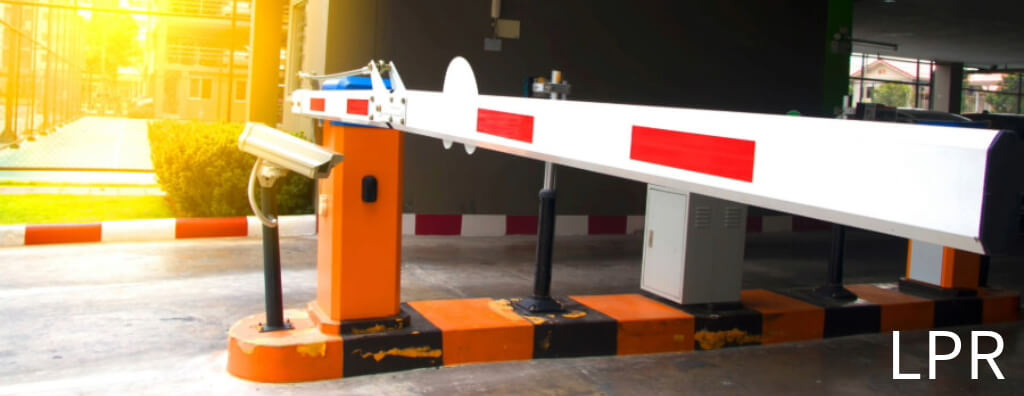
What is LPR? LPR, or License Plate Recognition, is a technology that automatically captures the information from a vehicle license plate, converting it into data that can be processed by security or traffic management systems. In this article, we will discuss License Plate Recognition (LPR), a technology that uses cameras and advanced algorithms to identify […]
Check it out!
What is LPR?
LPR, or License Plate Recognition, is a technology that automatically captures the information from a vehicle license plate, converting it into data that can be processed by security or traffic management systems.
In this article, we will discuss License Plate Recognition (LPR), a technology that uses cameras and advanced algorithms to identify and record vehicle license plates. This solution is widely used in security systems, access control, and traffic monitoring.
We will cover the technical functioning, main applications, and benefits of this technology for different sectors.
[elementor-template id=”24446″]
How does LPR work?
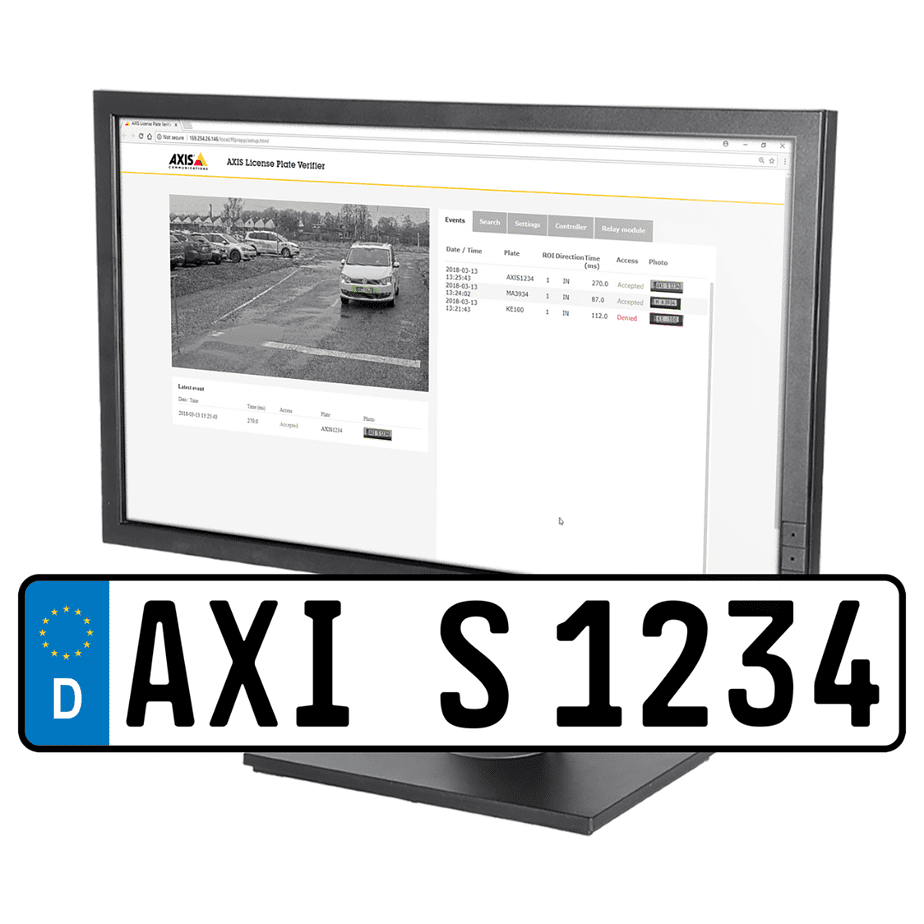
Using specific cameras and computer vision algorithms, the system is capable of identifying the characters on the license plate and storing them for future consultation or automatic decision-making.
The LPR process involves the following steps:
- Image capture: Cameras positioned at strategic points capture images of vehicles and their respective license plates.
- Image processing: The image is converted to a digital format, facilitating the extraction of relevant data.
- Optical Character Recognition (OCR): An OCR algorithm interprets the alphanumeric characters on the license plate, converting the image into text.
- Data storage and processing: The extracted information is stored in a database for future queries, automatic actions, or analyses.
Technologies Used for license plate reading
The efficiency and precision of LPR depend on a combination of technologies ranging from specialized hardware to advanced software. Among the main ones are:
High-Definition Cameras
A3A Engenharia de Sistemas Archive
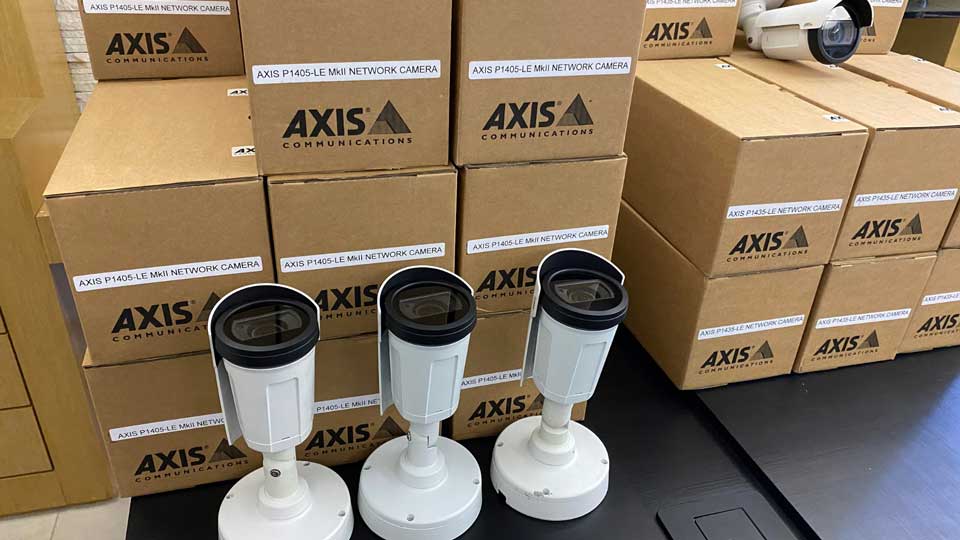
The cameras used in LPR systems must be capable of capturing sharp images even in adverse conditions, such as low light or high vehicle speeds. Many cameras specifically designed for LPR include infrared illumination to operate in any weather condition.
Computer Vision Algorithms
Computer vision algorithms are responsible for analyzing the images captured by the cameras and identifying the vehicle’s license plate. These algorithms use advanced techniques, such as machine learning and deep learning, to improve recognition accuracy, even for dirty, damaged, or partially obstructed plates.
Optical Character Recognition (OCR)
OCR is the part of the system responsible for converting the license plate image into readable text. OCR technology has been improved over the years, enabling fast and accurate recognition even in difficult contrast and lighting conditions.
Artificial Intelligence (AI)
AI is integrated into LPR to optimize identification and minimize errors. AI-based algorithms can “learn” and continuously improve the system.
Applications of license plate reading
LPR is a versatile technology with various applications in different sectors.
Below are some of the most common uses.
Vehicle Access Control
A3A Engenharia de Sistemas Archive
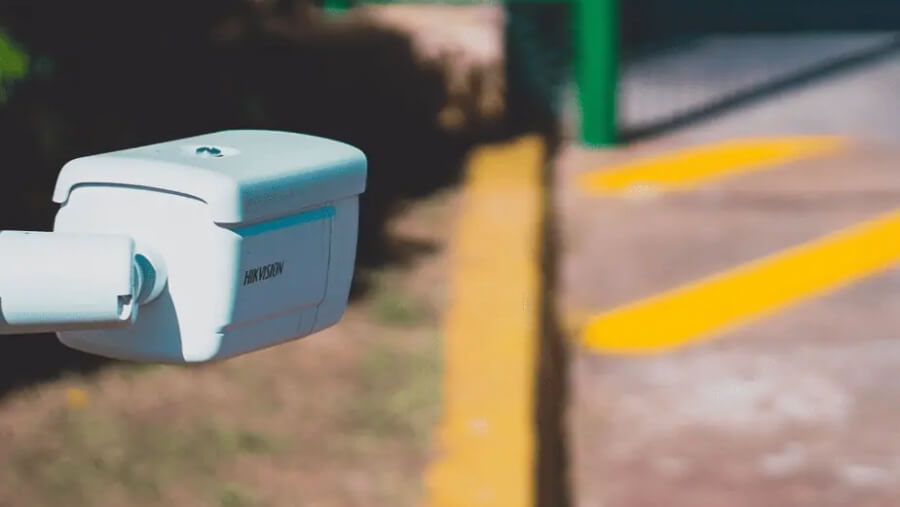
LPR systems are widely used in parking lots, condominium gatehouses, and restricted areas to identify authorized vehicles for entry. When a license plate registered in the database is recognized, the system can automatically grant access.
Traffic Monitoring
In the public sector, LPR is used to monitor and manage vehicle traffic on roads and urban areas. It allows identification of vehicles that exceed speed limits, enter exclusive lanes, or violate other traffic rules.
Public Safety
In urban surveillance systems, LPR is a fundamental tool for identifying suspicious or stolen vehicles. Cameras installed at strategic points can alert authorities in real time when a vehicle of interest is detected.
Toll Collection and Highway Control
LPR systems are used to automate toll collection, eliminating the need for stops at toll booths. In addition, the system can monitor vehicles with suspicious behavior on roads.
Fleets and Logistics
Companies operating vehicle fleets use LPR to monitor the entry and exit of vehicles from their facilities, improve efficiency, and ensure security.
Benefits of LPR
LPR technology offers a range of benefits for security and automation, in both public and private applications.
Automation and Efficiency
LPR eliminates the need for manual intervention in vehicle identification, making processes such as access control and traffic monitoring much more efficient and agile.
Increased Security
By automatically identifying unauthorized or suspicious vehicles, LPR contributes significantly to the security of protected locations and entire cities.
Recording and Auditing
LPR systems maintain detailed records of all license plate reads, which can be used for auditing, investigations, or regulatory compliance.
Standards Compliance
With the advancement of data protection regulations such as Brazil’s General Data Protection Law (LGPD), LPR systems are designed to store and process data securely, respecting user privacy.
CCTV Consulting and Project with License Plate Reading
The deployment of a CCTV system with LPR (License Plate Recognition) is an advanced solution for monitoring and controlling vehicles in restricted areas, parking lots, and public roads. However, the technical complexity involved in this type of project requires more than simply purchasing cameras and recognition software.
The correct implementation of an LPR system depends on detailed planning and execution that takes into account the specifics of each environment, ensuring efficient and accurate plate reading even in adverse conditions.
A specialized company in CCTV consulting and projects, with expertise in video analytics and LPR, is indispensable to ensure that the project is properly sized.
Only professionals with the necessary expertise can evaluate factors such as the ideal camera positioning, the network infrastructure required to support the volume of data generated, and integration with vehicle monitoring and management software. This not only maximizes system efficiency, but also prevents future problems, such as license plate reading failures or equipment incompatibility.
Challenges in LPR Implementation
Despite its benefits, LPR presents some challenges that must be considered during implementation.
Plate Legibility
Dirty, damaged, or poorly positioned plates can reduce the system’s accuracy rate. In addition, different plate formats between states or countries may also present recognition challenges.
Initial Cost
The installation of cameras with LPR integrated into the image management software must be well designed so that the investment is aligned with the client’s expectations and the best possible cost/benefit ratio.
Data Protection
As LPR systems capture and store sensitive information such as vehicle license plates, the protection of this data must be a priority. Compliance with regulations such as Brazil’s General Data Protection Law (LGPD) is essential to prevent misuse of the collected information.
LPR Trends
LPR is in constant evolution, with new technologies being integrated to increase its precision and applicability. Future trends include:
Integration with Big Data
With the growing amount of data generated by LPR systems, integration with big data technologies will enable deeper analysis and more informed real-time decisions.
AI and Machine Learning
The continued use of artificial intelligence and machine learning will improve LPR’s ability to handle damaged or obstructed plates and enhance its capacity to adapt to different environments and conditions.
Integration with Smart Cities
LPR will be a fundamental component in smart city solutions, enabling dynamic traffic control, improving urban security, and optimizing transportation management.
Conclusion
License Plate Recognition (LPR) is a powerful technology that brings efficiency, security, and automation to various applications. Although there are challenges to overcome, the constant advances in AI, big data, and computer vision will continue to expand the potential of LPR, making it an indispensable tool in urban, corporate, and public safety areas.
If you need to optimize your CCTV system with LPR and video analytics that work with precision and reliability, count on the experience of our Engineering Department.
A3A Engenharia de Sistemas is a company specialized in CCTV consulting and projects, focused on customized solutions to ensure the success of each implementation.
Contact us now and ensure that your project is conducted with excellence from planning to final delivery.
