The shielded network cable is the ideal solution for environments with high levels of electromagnetic interference (EMI) and noise that can compromise the quality of data transmission. Unlike UTP cable, shielded cable includes an additional protective layer that ensures greater security and stability under adverse conditions. In this article, we will explain in detail what […]
Check it out!
The shielded network cable is the ideal solution for environments with high levels of electromagnetic interference (EMI) and noise that can compromise the quality of data transmission.
Unlike UTP cable, shielded cable includes an additional protective layer that ensures greater security and stability under adverse conditions.
In this article, we will explain in detail what shielded cable is, its main applications, advantages, types, and how this technology can be essential in structured cabling projects.
[elementor-template id=”24446″]
What Is a Shielded Network Cable?
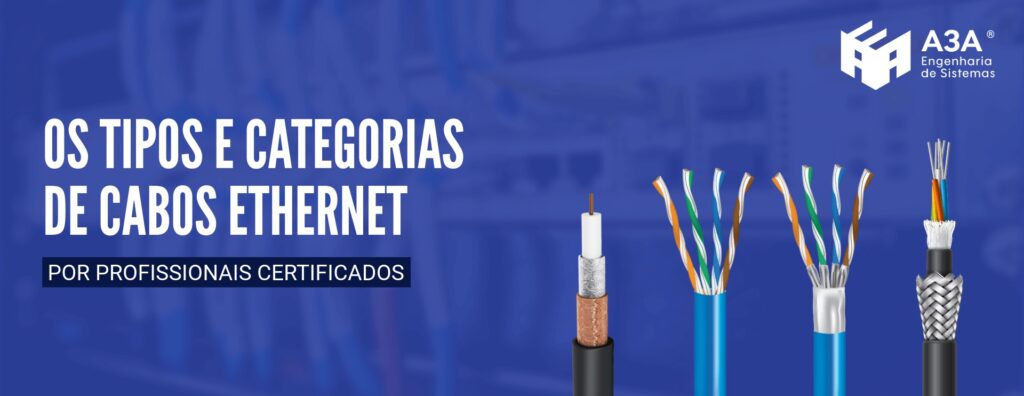
A shielded network cable, also known as STP (Shielded Twisted Pair) or FTP (Foiled Twisted Pair), features a metallic shield enclosing the wire pairs, protecting against external interference such as radio signals and electromagnetic fields generated by other electrical devices.
Main Types of Shielded Cable
S/FTP (Screened Foiled Twisted Pair): A combination of individual shielding on each pair plus an additional outer shield, providing maximum protection against interference.
STP (Shielded Twisted Pair): Each wire pair is wrapped in its own individual shield, ideal for environments with high inter-pair interference.
FTP (Foiled Twisted Pair): A single outer foil shield covers all pairs together — lighter and easier to handle than STP.
When to Use Shielded Cable?
Shielded cabling is highly recommended in environments where EMI (electromagnetic interference) is significant.
Main applications of shielded network cable:
- Data Centers: Environments with a high concentration of electrical and electronic equipment.
- Industrial Facilities: Locations where machines and motors generate high levels of interference.
- Hospitals: Proximity to sensitive medical equipment can compromise network quality.
- Critical Communication Infrastructures: Control centers, security installations, and emergency systems.
Advantages of Shielded Network Cable
- Protection Against EMI and Crosstalk: Ensures data integrity in noisy environments.
- Greater Stability: Less prone to signal drops or network performance degradation.
- Better Performance Over Longer Distances: Ideal for longer runs where external interference can be a limiting factor.
These characteristics make shielded cable an indispensable solution for networks that demand high reliability and consistent performance.
Comparison: Shielded Network Cable vs. UTP Cable
| Characteristic | Shielded Cable | UTP Cable |
|---|---|---|
| Interference Protection | High | Moderate |
| Cost | Higher | More affordable |
| Installation | More complex | Simple and fast |
| Applications | High-EMI environments | Residential and commercial environments |
For corporate network projects with little or no interference, UTP cable may be sufficient. However, in industrial environments or those with a high concentration of equipment, shielded cable is the better choice.
Installation Considerations
Source: A3A Engineering Systems
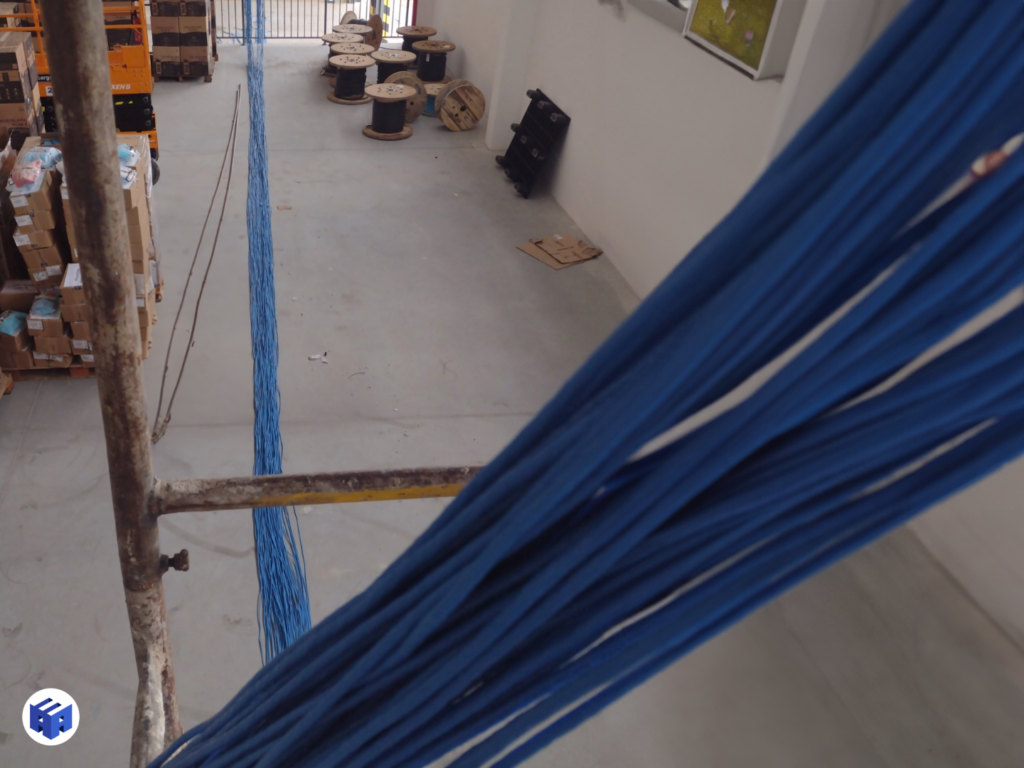
Deploying structured cabling with shielded cables requires special attention, as incorrect shielding connections can negate its benefits.
Key installation guidelines:
- Proper Grounding: The shield must be correctly grounded at both cable ends to ensure protection against interference.
- Avoid Sharp Bends: Tight bends can compromise the structural integrity of the cable.
- Use of Specific Tools: Appropriate tools ensure the shield is not damaged during installation.
Benefits of Shielded Cable in Structured Cabling Projects
A structured cabling project that uses shielded cable delivers strategic advantages for organizations:
- Greater Durability and Service Life: The additional shielding protection increases resistance to physical damage and interference.
- Superior Performance: Structured networks with shielded cables provide more efficient and stable data transmission, even in noisy environments.
- Support for Emerging Technologies: Capable of handling higher data transfer rates, shielded cable is ready for future network expansions.
Final Considerations
Choosing the right type of network cable is essential to ensuring structured cabling performance. The shielded network cable is a robust solution for environments with high levels of interference, guaranteeing a stable and reliable connection.
If you are planning to install or upgrade your company’s network infrastructure, contact us for a specialized consultation. Our highly qualified team can design a project tailored to your specific needs, ensuring the best performance and longevity for your network.
References:
Brazilian Association of Technical Standards – ABNT
NBR 14565: Structured Cabling for Commercial Buildings
Network Certification – Structured Cabling Certification
