Substations are critical environments in the power system, characterized by high concentrations of power equipment, protection systems and operational infrastructures responsible for the continuity and stability of energy networks.
These facilities operate with high requirements for reliability, availability and operational safety, and are strongly dependent on technological systems that support:
- substation automation
- operational telecommunications
- remote supervision and control
- critical asset monitoring
- physical security of facilities
With the evolution of power grids and the increasing digitalization of operations, substations have incorporated more complex technological architectures, integrating automation systems, industrial communication networks and supervision platforms used by operation centers.
In this context, demands associated with the following become particularly relevant:
- modernization of operational telecommunications infrastructures
- integration between automation systems and operation centers
- remote monitoring of critical equipment
- reliability of power infrastructure for digital systems
- physical security and access control for facilities
These challenges make the substation an environment that requires multidisciplinary engineering, capable of integrating electrical infrastructure, telecommunications, automation and supervision systems.
Scope of Work
A3A Engenharia de Sistemas works in the design, structuring and integration of technological infrastructures associated with electrical substations, supporting generation, transmission and distribution projects.
The work involves engineering activities focused on the implementation, modernization and operation of substations, including integration between electrical systems, automation systems and operational telecommunications infrastructure.
Key fronts of work include:
Operational telecommunications architecture
- optical networks for communication between substations
- integration with power system operation centers
- communication networks for substation automation
Automation and supervision
- integration with SCADA and SDSC systems
- communication infrastructure for protection and control systems
- remote monitoring of critical equipment
Asset and infrastructure monitoring
- monitoring of power transformers
- monitoring of equipment operating conditions
- integration of sensors and supervision systems
Electrical infrastructure for technological systems
- power supply for automation systems
- power infrastructure for operational telecommunications
- grounding and surge protection systems
Operational security of facilities
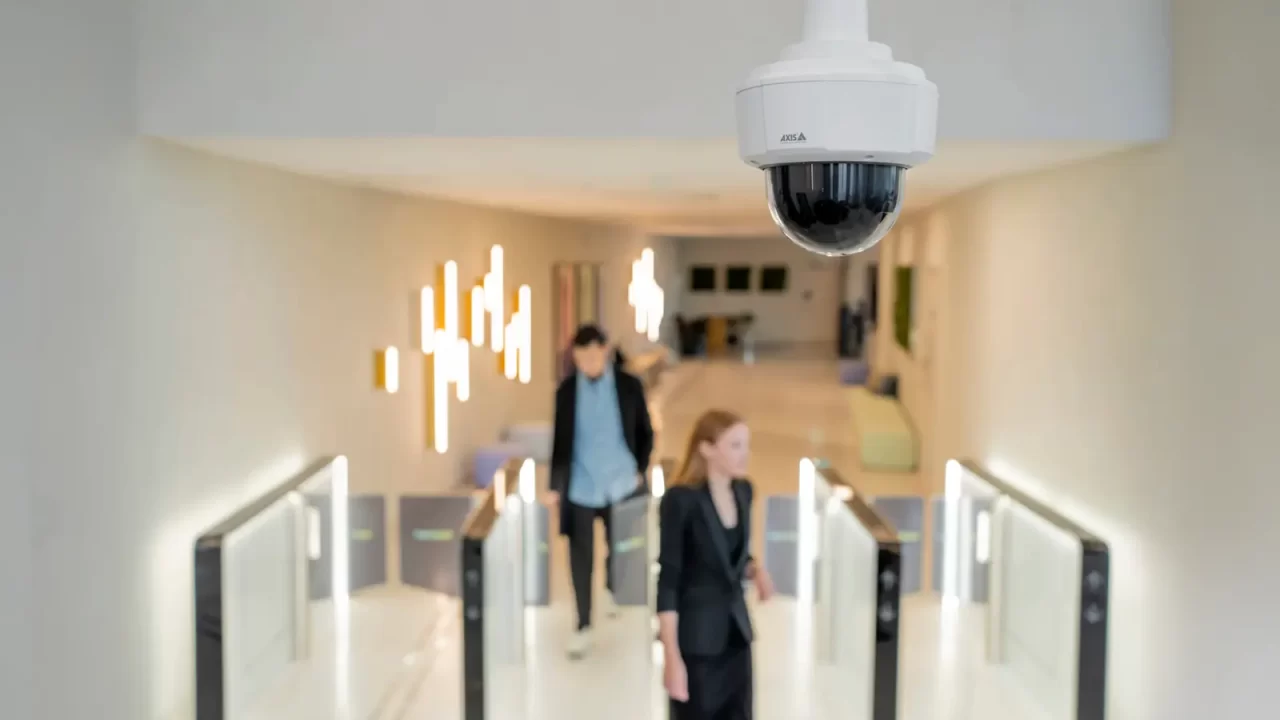
- video monitoring of operational areas
- access control to restricted areas
- perimeter monitoring of substations
Integration of systems and operation centers
- integration between field systems and supervision centers
- technological infrastructure for energy operation centers
- consolidation of operational data to support decision-making
Standards and Compliance
Technological infrastructure projects associated with substations must observe technical and regulatory standards applicable to the power sector and to telecommunications and industrial automation installations.
Main applicable normative references include:
Electrical system standards
- IEC 61850 — Communication in substation automation systems
- IEEE C37 — Standards for protection and control of electrical systems
- ABNT NBR 5410 — Low-voltage electrical installations
- ABNT NBR 14039 — Medium-voltage electrical installations
Protection and grounding standards
- ABNT NBR 5419 — Lightning protection
- IEEE 80 — Substation grounding
Telecommunications and network standards
- ANSI/TIA-568 — Structured cabling
- ITU-T — Telecommunications and optical networks
- IEEE 802 — Data communication networks
Safety and operation standards
- NR-10 — Safety in electrical installations and services
- NR-35 — Work at height
Compliance with these standards is essential to ensure facility safety, operational reliability and interoperability between electrical and technological systems.