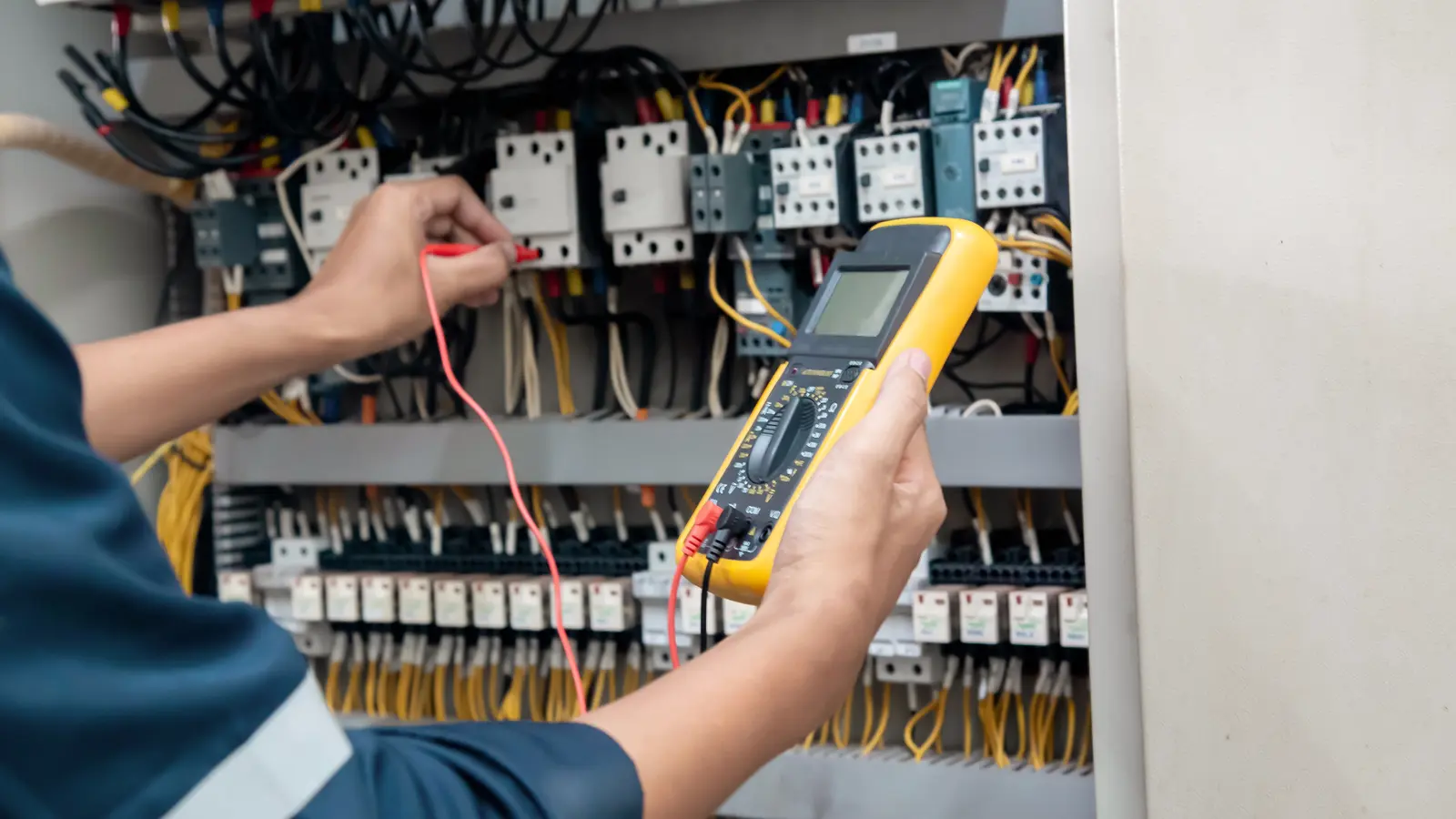
Commissioning consists of a technical verification service designed to ensure that the systems, infrastructures, and equipment deployed are installed, configured, and operating in accordance with the technical requirements established in the project.
This process involves performing technical verifications, functional tests, and trials intended to validate system performance and confirm compliance with the technical specifications, performance criteria, and operational parameters defined for the project.
Commissioning constitutes the final stage of the engineering solution deployment process, enabling verification of the correct installation of systems, validation of their integration, and assurance that equipment and platforms operate as specified in the project.
The structured execution of this stage helps reduce operational risks, identify any technical inconsistencies, and ensure that the deployed solution is ready for entry into operation.
Objectives
Commissioning aims to technically verify the operation of the deployed systems and infrastructures, ensuring their compliance with the technical requirements defined in the project.
The main objectives include:
- verifying the correct installation and configuration of the deployed systems;
- validating the technical operation of the installed equipment and infrastructures;
- confirming system compliance with the established technical specifications;
- conducting tests aimed at verifying the operational performance of the deployed solution;
- validating the integration between the different systems that make up the project;
- ensuring that the systems are ready for entry into operation.
Proper execution of commissioning contributes to ensuring greater technical and operational reliability of the deployed solution.
Scope of Work
The Commissioning service encompasses the technical verification of implemented systems through inspections, tests, and trials designed to validate the operation of the engineering solution.
The scope may include:
- technical verification of the installation of equipment and deployed infrastructure;
- verification of the implementation’s adherence to project documents;
- performance of functional tests on installed systems;
- verification of the technical performance of deployed equipment and platforms;
- validation of the integration between the different systems that make up the solution;
- execution of trials and tests aimed at verifying system operation;
- identification of any technical nonconformities observed during testing;
- monitoring of technical adjustments required for system validation.
Activities are conducted in accordance with the technical criteria defined in the project and with the operational parameters established for the venture.
Deliverables
As a result of the service execution, technical documents are produced for recording the verifications and tests performed during the commissioning process.
Among the main documents produced, the following stand out:
- commissioning plan for the venture;
- technical inspection records of the implemented systems;
- records of trials and functional tests performed;
- technical reports on system performance verification;
- record of technical nonconformities identified during testing;
- final commissioning report for the venture.
This documentation consolidates the technical evidence from the system verification process and records the results of the validation activities performed.
Contracting Model
Commissioning is contracted as a specialized technical service aimed at verifying the operation of systems, equipment, and infrastructure deployed in engineering projects.
This service may be contracted independently or integrated into system deployment contracts, EPC, EPCM, or Owner’s Engineering services.
In the public sector, it may be contracted as a technical verification service associated with the deployment of institutional systems and infrastructure.
In the private sector, the service is typically contracted as part of the technical validation process for the deployed solution prior to the start of operations.
Performing independent commissioning helps ensure greater technical reliability in the validation of deployed systems.
Applicability
Commissioning is applicable to projects involving the deployment of technological systems, engineering infrastructure, or technical platforms that require structured operational verification before entering service.
Its application is particularly relevant in projects involving multiple integrated systems or technological solutions whose proper operation depends on the technical validation of the installations, configurations, and integrations carried out during deployment.
Structured commissioning contributes to ensuring the operational reliability of the deployed solution and reducing risks associated with the start of project operations.